Short Communication - (2025) Volume 26, Issue 1
Vital Harmony for Digestive Strength and Lasting Energy
Marcus Elliot*
Department of Endocrinology, New Haven Medical Institute, New Haven, United States
*Correspondence:
Marcus Elliot, Department of Endocrinology, New Haven Medical Institute, New Haven,
United States,
Email:
Received: 29-Jan-2025, Manuscript No. IPP-25-23022;
Editor assigned: 31-Jan-2025, Pre QC No. IPP-25-23022;
Reviewed: 14-Feb-2025, QC No. IPP-25-23022;
Revised: 22-Feb-2025, Manuscript No. IPP-25-23022;
Published:
28-Feb-2025, DOI: 10.36648/1590-8577.26.1.912
Description
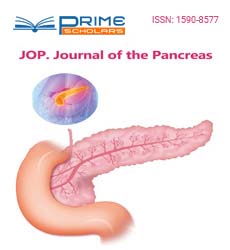
The pancreas is a small but highly active organ that performs a variety of essential functions, influencing both digestion and energy regulation. Located deep in the abdominal cavity behind the stomach and near the duodenum, it maintains close communication with multiple organs, including the liver, gallbladder and intestines. Despite its compact size, the pancreas exerts a significant impact on overall metabolism and disturbances in its function can lead to serious health conditions. A comprehensive understanding of this organ highlights the importance of maintaining both its digestive and hormonal functions. Structurally, the pancreas is divided into three regions: The head, body and tail. The head lies within the curve of the duodenum, the body crosses the midline behind the stomach and the tail approaches the spleen. This anatomical configuration facilitates the organ’s dual functionality. The exocrine tissue which forms the bulk of the pancreas produces digestive enzymes that help break down carbohydrates, fats and proteins. The endocrine tissue, comprised of the islets of Langerhans, produces hormones such as insulin and glucagon, which regulate blood sugar levels. Together, these systems ensure that the body efficiently extracts nutrients from food while maintaining stable energy distribution [1-5].
The exocrine portion of the pancreas secretes digestive enzymes including amylase, lipase and proteases. These enzymes are transported through a network of ducts that converge into the main pancreatic duct, eventually emptying into the duodenum. Once in the small intestine, these enzymes facilitate the breakdown of macronutrients into absorbable forms. Dysfunction of this system, due to inflammation, obstruction or chronic disease, can lead to malnutrition, gastrointestinal discomfort and weight loss. Supporting healthy enzyme production through proper nutrition and regular medical check-ups is essential for maintaining digestive health. The endocrine portion plays a critical role in controlling blood glucose levels. The islets of Langerhans contain beta cells, which release insulin to lower blood sugar, alpha cells, which release glucagon to raise blood sugar and delta cells, which secrete somatostatin to balance hormone activity. This hormonal interplay maintains a stable energy supply for cells throughout the day. When this system is impaired as seen in diabetes it can affect multiple organs, including the eyes, kidneys, heart and nervous system. Managing diet, exercise and body weight are essential strategies to reduce the risk of endocrine dysfunction.
Inflammation of the pancreas, known as pancreatitis, demonstrates the organ’s vulnerability. This condition occurs when digestive enzymes activate prematurely within the pancreas, causing tissue damage. Acute pancreatitis can result from gallstones excessive alcohol consumption or certain medications and may resolve with medical intervention. Chronic pancreatitis arises from repeated inflammation, which can permanently impair enzyme production and hormone secretion. This leads to malabsorption, nutrient deficiencies and secondary diabetes. Preventive measures include moderating alcohol intake, maintaining gallbladder health and adhering to a nutrient-rich diet. Pancreatic cancer represents another serious health concern. Often asymptomatic in the early stages, it is typically diagnosed at an advanced stage, presenting with abdominal discomfort, jaundice, fatigue and unexplained weight loss. Risk factors include smoking, obesity, chronic pancreatitis and inherited genetic mutations. Research continues to develop more effective diagnostic methods and treatments, combining surgery, chemotherapy and targeted therapies. Early detection and lifestyle awareness are key to improving outcomes [6-10].
It also explores the pancreas’s capacity for regeneration. The stimulate insulin-producing cells and develop artificial pancreas devices to automatically regulate blood sugar. Investigations into the effects of diet, gut microbiota and metabolic interactions offer further insights into promoting pancreatic health and preventing disease. These advancements highlight the importance of proactive measures for maintaining both digestive and hormonal functions. Lifestyle choices are central to supporting pancreatic function. Diets high in fiber, whole grains, lean proteins and healthy fats enhance enzyme efficiency and hormone regulation. Physical activity improves insulin sensitivity and reduces stress on endocrine cells. Avoiding tobacco and limiting alcohol intake reduce inflammation and cancer risk, while adequate hydration supports enzyme transport. Consistent sleep and stress management further contribute to overall metabolic stability. These practices help sustain pancreatic function over the long term. In conclusion, the pancreas is a dynamic organ that integrates digestive and endocrine functions. Its ability to process nutrients and regulate energy is vital for overall health. Awareness of its structure, function and vulnerabilities, combined with informed lifestyle choices and timely medical care supports optimal pancreatic health. Maintaining the well-being of this organ contributes to efficient metabolism, balanced energy levels and digestive effectiveness throughout life.
References
- Nonaka K, Murata S, Shiraiwa K, Abiko T, Nakano H, Iwase H, et al. Effect of skeletal muscle and fat mass on muscle strength in the elderly. Healthcare. 2018;6(3):72.
[Crossref] [Google Scholar] [PubMed].
- Moscatelli F, De Maria A, Marinaccio LA, Monda V, Messina A, Monacis D, et al. Assessment of lifestyle, eating habits and the effect of nutritional education among undergraduate students in southern Italy. Nutrients. 2023;15(13):2894.
[Crossref] [Google Scholar] [PubMed].
- Ebert SM, Dyle MC, Bullard SA, Dierdorff JM, Murry DJ, Fox DK, et al. Identification and small molecule inhibition of an activating transcription factor 4 (ATF4)-dependent pathway to age-related skeletal muscle weakness and atrophy. J Bio Chem. 2015;290(42):25497-25511.
[Crossref] [Google Scholar] [PubMed].
- Maughan RJ. Nutritional ergogenic aids and exercise performance. Nutr Res Rev. 1999;12(2):255-280.
[Crossref] [Google Scholar] [PubMed].
- Jäger R, Kerksick CM, Campbell BI, Cribb PJ, Wells SD, Skwiat TM, et al. International society of sports nutrition position stand: Protein and exercise. J Int Soc Sports Nutr. 2017;14(1):20.
[Crossref] [Google Scholar] [PubMed].
- Blachier F. Amino acid-derived bacterial metabolites in the colorectal luminal fluid: Effects on microbial communication, metabolism, physiology, and growth. Microorganisms. 2023;11(5):1317.
[Crossref] [Google Scholar] [PubMed].
- Prokopidis K, Giannos P, Kirwan R, Ispoglou T, Galli F, Witard OC, et al. Impact of probiotics on muscle mass, muscle strength and lean mass: A systematic review and metaâ?�analysis of randomized controlled trials. J Cachexia Sarcopenia Muscle. 2023;14(1):30-44.
[Crossref] [Google Scholar] [PubMed].
- Zhu M, Zhu J, Fang S, Zhao B. Complete genome sequence of Heyndrickxia (Bacillus) coagulans BC99 isolated from a fecal sample of a healthy infant. Microbiol Resour Ann. 2024;13(1):449-423.
[Crossref] [Google Scholar] [PubMed].
- Chaudhari K, Mohan M, Saudagar P, Sable C, Shinde S, Bedade D. In vitro and in vivo evaluation of probiotic potential and safety assessment of Bacillus coagulans SKB LAB-19 (MCC 0554) in humans and animal healthcare. Regul Toxicol Pharmacol. 2022;133:105218.
[Crossref] [Google Scholar] [PubMed].
- Forbes SC, Bell GJ. Whey protein isolate supplementation while endurance training does not alter cycling performance or immune responses at rest or after exercise. Front Nutr. 2019;6:19.
[Crossref] [Google Scholar] [PubMed].
Citation: Elliot M (2025) Vital Harmony for Digestive Strength and Lasting Energy. J Pancreas. 26:912.
Copyright: This is an open access article distributed under the terms of the Creative Commons Attribution License, which permits unrestricted use, distribution, and reproduction in any medium, provided the original work is properly cited.