Research Article - (2025) Volume 12, Issue 2
The Intersection of Artificial Intelligence and Digital Marketing: Balancing Automation with the Human Touch. Assessing the Effects on Productivity, Cost, Quality, and their Implications for Employment in the Industry
Marianne Boulos* and
Marion Sangle-Ferriere
Department of Pediatrics, Hotel-Dieu de France University Hospital, Beirut, Lebanon
*Correspondence:
Marianne Boulos, Department of Pediatrics, Hotel-Dieu de France University Hospital, Beirut,
Lebanon,
Email:
Received: 14-Oct-2024, Manuscript No. IPBJR-24-21752;
Editor assigned: 16-Oct-2024, Pre QC No. IPBJR-24-21752 (PQ);
Reviewed: 30-Oct-2024, QC No. IPBJR-24-21752;
Revised: 12-Feb-2025, Manuscript No. IPBJR-24-21752 (R);
Published:
19-Feb-2025, DOI: 10.36648/2394-3718.12.2.141
Abstract
Background: Artificial Intelligence (AI) has the potential to revolutionize the digital marketing industry. However, concerns have been raised about the impact of AI on the human touch; defined as the personal connection with customers through empathy, support, and community building; and its potential implications for employment.
Objective: This thesis explores the intersection of AI and digital marketing and investigates the balance between automation and the human touch in this industry. The study aims to assess the effects of AI on productivity, cost, and quality in digital marketing.
Methods: To achieve this, a mixed-method approach is used to gather data from industry practitioners and experts. The study analyzes the data to identify the benefits and drawbacks of AI and its impact on various aspects of digital marketing. In addition, the research also examines the potential implications for employment. It identifies potential ethical concerns and implications for employment, including the need for re-skilling and up-skilling.
Results: The findings indicate that AI integration in digital marketing is indeed altering the industry's workforce landscape, with further findings showing the evolution of skill requirements and the emergence of new AI-related job roles. Roles that were found to be most affected by AI include copywriters, jobs involving repetitive tasks, coding and software engineering positions, and creative roles such as graphic designers and creative departments. However, many challenges and limitations of Automation and AI were found: accuracy and reliability of AI responses, quality concerns, lack of creativity and warmth, and “hallucination” particularly when faced with complex questions. Additionally, the setup process for AI and automation tools was described as challenging and potentially frustrating. Thus, the need to balance between AI and the human touch: Humans will be the brains that orchestrate the results. When it comes to productivity, AI and automation were perceived as productivity boosters in general, but they were also found to be counterproductive many times. Further, younger individuals were more inclined to perceive AI as a tool for enhancing their ability to tackle substantial challenges in their roles. When it comes to costs, the findings showed that AI tools are cheaper than relying solely on human resources for certain tasks. As for policymaking, the perspectives were multifaceted with it seen as a very difficult subject to tackle. Overall, this thesis provides insights into the balance between automation and the human touch in digital marketing and its implications for employment.
Conclusion: These research areas provide a comprehensive roadmap for future investigations, helping to advance the understanding of AI and automation complex relationship with digital marketing while addressing critical gaps and emerging concerns in the field.
Keywords
AI and employment; AI and digital marketing; Martech; AI and productivity; Marketing automation; AI and customer relationship management
Introduction
In this literature review, various key themes around the intersection of Artificial Intelligence (AI) and automation with digital marketing are explored. The examination encompasses several aspects, including the impact of AI on productivity, the importance of the human touch within the industry, and the ways AI can enhance the quality of digital marketing efforts. However, many authors also underline the drawbacks of AI, its limitations and how it should be used by humans. A specific area of risk identified by researchers lies in the impact of AI on employment.
This research will dive deeper into these themes, aiming to address critical research gaps and provide a more comprehensive understanding of the dynamic relationship between AI and digital marketing.
Materials and Methods
AI as a Help
Productivity and its conditions: The ongoing transformations driven by automation and AI advancements in organizational design and workplace dynamics are often seen as detrimental. While the current phase is introduced as the “second machine age”, marked by the convergence of technologies like AI, internet, and social media; evidence of the positive productivity effects of technologies like computer vision, predictive analysis, and AI have been presented. AI and automation enhance productivity by automating repetitive tasks, improving decision-making with data analysis, expediting data processing, streamlining customer support, personalizing services, automating quality control, generating content, analyzing markets, and more. Noting that the importance of context, human skills, and adoption challenges when implementing these technologies should be emphasized.
However, it is important to note that while automation is likely to experience widespread adoption in the short term within the automotive sector, AI technologies are expected to take more time to be widely adopted.
The complexity of adopting these technologies is caused by: The challenges of skilled human resources, technical issues, health and safety considerations, and even resistance from management. Thus, carefully managing the transition to automation and AI, ensuring that advancements align with work organization and lead to sustained productivity and improved working conditions is necessary for productivity enhancement.
Quality: AI enables businesses to gather customer data during product searches, utilizing techniques like brain modeling, time series prediction, and image recognition to provide relevant customer behavior and purchase intention insights. It enables the transformation of vast amounts of data into valuable information and knowledge. When applied in SEO, PPC, Chatbots, and Social Media Marketing (SMM) it then helps optimize customer engagement and improve the efficiency of marketing operations. Additionally, when applied in augmented reality, it enhances customer perception, increasing sales volume and aiding marketers in implementing sui strategies to meet customer demands.
Further, AI has a strong potential to improve marketing efficiencies, identify high-quality leads, and adapt to changing market needs. Moreover, it can be used for competitive intelligence, allowing firms to gain insights from competitors' data and position themselves strategically.
The technology initially helps businesses understand customer perception, thus allowing for the optimization of customer services and products to meet market demands effectively. Hence the importance of the synergy between AI and digital marketing.
However, it is important to note that AI's effectiveness depends on the quality of input data and the accuracy of algorithms. Additionally, AI applications might encounter challenges in understanding context, nuances, and emotions in human-generated content. Not to forget that there are ethical considerations, such as the potential association with fake news, that need to be carefully managed. Furthermore, the limitations of AI's ability to fully replace human decision- making are recognized, as AI might not capture complex human reasoning and judgment.
Hence, the need for a balanced focus on technology, marketing strategies, and ethics. It is worth concluding that the advantages of AI, such as productivity boosts and quality enhancements, are closely tied to the specific circumstances in which it's applied. This motivated us to delve deeper into the various applications of AI, seeking to better understand the conditions that make it an asset and those that may pose challenges.
AI Uses and Limitations
Benefits and drawbacks
Drawbacks: Generative Artificial Intelligence (AI) offers the potential to create new content, including audio, code, images, text, simulations, and videos. ChatGPT is a significant example of a generative AI system that can answer questions and generate content.
Generative AI models have evolved, especially in the context of text-based machine learning, using both supervised and self-supervised learning. The challenges in building these models include the substantial resources required in terms of both talent and costs. These models have the ability to generate content that closely resembles human-generated material. However, there is a risk of generating inaccurate or biased content which can be mitigated by careful data selection, the use of smaller specialized models, customization based on an organization's data, human oversight, and the avoidance of critical decisions made solely by AI models.
To dive deeper, the disadvantages identified by Neil Patel based on a survey of 1,000 digital marketers. They include concerns about legal and ethical issues, a lack of search engine optimization, incorrect information, unnatural or robotic content, over-dependence on AI, content sounding too similar, and a lack of personalization. It is also worth noting that Google's Merchant Center Policy now explicitly states that reviews primarily generated by automated programs or artificial intelligence applications are considered spam. The rationale behind this policy change is to encourage genuine human reviews that provide valuable insights to potential customers [1].
In many of his conference, and in his latest interview with Ian Bremmer of GZERO Media, American social psychologist Gary Marcus pointed out two very important limitations:
• Unreliability of large language models: While they are incredibly versatile, they are also notably unreliable. They give an illusion of being able to perform a wide range of tasks but often fall short in delivering accurate and trustworthy results.
• Different kinds of AI: There are different kinds of AI, some of which are highly specialized, like Siri, while large language models attempt to be jack-of-all-trades but can be masters of none. This distinction is crucial for understanding the capabilities and limitations of AI systems [2].
The interview raises significant concerns about the current state of large language models and their implications for society. It highlights the tension between the impressive capabilities of these models and their lack of reliability, leading to concerns about misinformation, safety, and transparency. The discussion also points out the need for AI governance and regulation at both national and global levels to address these issues and ensure the responsible development and deployment of AI technologies.
The example of ChatGPT's declining accuracy in answering math questions is presented to highlight the potential deterioration in AI performance over time. The accuracy of AIgenerated content is further demonstrated in a medical context, where ChatGPT provided 92% accuracy in response to medical questions. The article suggests that Google will likely seek to control the use of AI-generated content in fields where inaccuracies could have significant consequences, such as finance or healthcare. On the flip side, AI-generated content might be more tolerated for less critical topics like fashion or how-to guides, where inaccuracies are less likely to cause harm [3].
Benefits: On another note, there is a growing trend of companies using AI technology for various types of content. Moreover, C-suite executives are personally using AI tools for work, and 40 percent of organizations plan to increase their overall AI investment due to advances in generative AI. But ultimately algorithms will ultimately prioritize human-written content because of its reliability and value. While AI can assist in the content creation process, human input and modification are deemed essential to ensure accuracy and value.
The most common business functions employing generative AI are marketing, sales, product and service development, and service operations. The impact of AI on industries is expected to be significant and predicted that it will lead to substantial changes in their workforces. While workforce cuts are anticipated in certain areas, there is a greater focus on large-scale reskilling efforts to adapt to shifting talent requirements. High-performing organizations, often associated with advanced AI use, are more likely to benefit from gen AI, especially in product and service development. These companies are driven by creating new revenue sources and increasing the value of existing offerings through AIbased features. Moreover, many organizations are not adequately prepared for the risks associated with gen AI [4].
On the side of academic research, currently generative AI tools are used to assist researchers in: Finding/identifying relevant literature, evaluating source quality, building a literature catalog, and improving writing. The use of AI tools in the field of research is fast-evolving as well, however there are some very important ethical considerations. It is important to understand university policies regarding the use of AI tools in academic research. Different institutions have varying policies, ranging from outright bans to allowing limited use with proper citation. The ethical issue of ownership and citation of AI-generated content is also another limitation. Another limitation to note is that biases in training data can result in biased content, and the tools are primarily making predictions based on patterns in their training data, rather than truly understanding the content they generate. Here lies the Importance of verification, hence the importance of human judgment and verification. Researchers should use AI tools for tasks that can be verified and should never blindly trust their outputs.
Human Touch
AI is noted to aid marketers in predicting customer needs, enhancing customer experiences, and facilitating more efficient and personalized interactions. Particularly in situations requiring speed, AI is employed to communicate effectively with customers and deliver tailored messages at optimal times. AI's capabilities are harnessed to analyze customer profiles and data without human intervention or the human touch [5].
AI's integration in CRM helps understand customer purchase patterns, improves brand-customer interactions, and strengthens customer relationships. Automation in CRM engages customers based on their queries and information, fostering loyalty and satisfaction. AI supports management in transforming strategies to align with customer expectations, utilizing data such as demographics, behavior, and location to make informed decisions. AI has the capacity to generate high-order learning from data without human intervention and its potential to enhance customer experience.
There is a growing use of AI tools to analyze customer data, predict demand, manage inventory, and enhance e-commerce tactics. The role of AI in providing personalized and engaging customer experiences is emphasized, leading to improved brand differentiation. CRM in maintaining positive customer relationships and meeting their needs. It considers various studies that delve into the effects of AI and CRM on businessto- business relationships and the potential benefits of using AI in sales.
The implementation of AI-based CRM systems can lead to improved customer engagement, brand differentiation, and long-term organizational success. However, the research also points out that the successful integration of AI into CRM requires proper planning, customization, and addressing challenges such as data quality and management.
A Specific Risk: The Effect of AI on Employment
AI’s impact on job transformation: There is an increasing adoption of AI technologies to analyze consumer buying patterns, improve brand-customer interactions, and strengthen customer relationships. AI is identified as crucial for providing enhanced customer experiences that bolster the consumer-brand relationship and brand distinctiveness. Also, AI can improve customer service and productivity, replacing certain tasks performed by humans. However, despite the technological promises of efficiency, surveys in the field of human resources indicate high anxiety among workers about this technological trend. There is a rapid advancement of information technology and artificial intelligence, which has led to significant changes in various sectors, including services. Notably, the rise of AI and automation raises concerns about the replacement of human jobs [6].
Further, automation is introduced as a technology that combines mechanics, electronics, and computer-based systems to improve productivity, efficiency, and flexibility and is deemed essential in modern day processes. Highperforming organizations stand out as early adopters of gen AI, focusing on creating new revenue sources and enhancing existing offerings through AI-based features. While there is still much room for growth in AI adoption, the future of AI, especially gen AI, holds transformative potential across various sectors and functions.
It is important to note that research reveals that there is significant heterogeneity in AI job postings across 343 US cities, with the share of AI jobs in total job postings increasing from 0.20% to nearly 1% between 2010 and 2019. The study highlights the central role of service-based cities in translating the benefits of AI job growth to subjective well-being. The results suggest that AI-driven economic growth has the potential to raise overall well-being and social welfare, particularly in cities with a higher concentration of modern service industries. The research counters concern about AI's net-negative effects on social welfare by demonstrating the positive impact of AI-driven growth on well-being.
There are various perspectives on the consequences of AI on the economy and social welfare, including optimism about AI's potential to drive economic growth and improve wellbeing. There is a role of cities' industrial structures, demographics, and skills in determining the impact of AI job growth on well-being. It is very important to leverage AIdriven growth and local endowments in service capacity to maximize positive influences on both economic and social aspects.
However, AI-driven economic growth is still in its early stages and opinions about its consequences on the economy and social welfare vary. Further research is necessary to explore the long-term effects of AI on well-being and economic development.
There is a transformative potential of AI job growth on economic and social aspects. Service-based cities play a key role in translating AI job growth into improved subjective well-being. There are prevailing concerns about the negative impacts of AI on social welfare and it is suggested that AIdriven economic growth can have a positive effect on wellbeing. Policymakers are encouraged to harness AI's growth potential and the existing service capacity to achieve positive outcomes for both the economy and societal well-being.
Further, there are concerns and anxieties among workers about the potential displacement of jobs due to these technological developments. However, there remains a necessity for human skills that involve creativity, empathy, and intuition, which are harder for machines to replicate so far [7].
Replacement risk: Technology has a big role in reshaping employment patterns, and has a tremendous impact on automation, industrial robots, and AI. It is important to consider the displacement effect and the potential for automation to replace certain tasks traditionally performed by humans. AI can improve customer service and productivity, replacing certain tasks performed by humans.
The displacement effect happens when technology directly replaces workers in tasks they were previously performing, and the productivity effect happens where technology increases the demand for labor in industries arising due to technological progress. Hence the role of education and digital skills in preparing the workforce to collaborate effectively with machines and AI systems.
There's an ongoing debate about the extent to which AI will replace jobs, with experts suggesting that both white and blue-collar jobs could be replaced. Different studies show varying estimates of job computerization risk in different countries. International organizations have begun to establish regulatory frameworks for AI implementation.
Further, there is a challenge in predicting the exact impact of AI on employment due to the rapid pace of technological advancement and the complexities of labor market dynamics. While existing studies have examined the impact of industrial robots, the full deployment of AI technologies and their impact on labor markets are still emerging, making it challenging to fully capture the future effects [8].
AI's impact on employment is multifaceted. There is a creation of new jobs, such as data scientists and positions in the gig economy, while there is the potential displacement of routine tasks. Thus, there is a need for a proactive approach to understand and address the implications of AI on employment. A comprehensive policy response should include public awareness and education about AI, the development of rules and regulations for AI systems' operation, and the design of education and training programs to equip the workforce with the necessary digital skills. While there are challenges in predicting the full impact of AI, the chapter advocates for fostering ongoing social dialogue among researchers, policymakers, industry representatives, and other stakeholders to navigate the opportunities and challenges presented by the AI era.
Risks on incomes and growth: The economic history since the industrial revolution highlights that technological progress has historically led to positive effects on employment and incomes, despite concerns about job displacement due to automation. There are two main models: complementarity models that predict higher wages, economic growth, and employment in other sectors due to technological progress, and substitution models that argue technology causes job displacement, polarization, and de-skilling. Despite significant technological advancements and the displacement of human labor by machines in various sectors, it is observed that employment and incomes have consistently increased over the past two centuries [9].
Various models examine the relationship between automation and employment and income distribution. They explore the displacement effect, where automation leads to job reduction, and the contrasting notion that AI-driven automation may have unique impacts. The concept of AI/ML as a General-Purpose Technology (GPT) has the potential to reshape labor markets. The task-based model emphasizes the substitution effect of machines replacing human tasks.
Drawing from historical evidence, it is important to emphasize that previous waves of innovation that involved the replacement of workers with machines ultimately led to increased jobs and higher incomes. There is a potential for AI to enhance productivity across various sectors, with expectations of contributing to economic growth and overall welfare. Hence the importance of developing appropriate social and redistributive policies to mitigate these challenges. It is important to stress the need to consider AI's unique characteristics and its potential to rapidly spread, impacting both employment and incomes.
Countermeasures: Automation and AI technologies threaten low-skill and labor-intensive industries, leading to a potential imbalance in society. The negative effects are particularly evident in sectors like transportation, manufacturing, and sales, while certain fields like healthcare and science are less affected. There is a need for government intervention to address these challenges and prevent potential societal turmoil.
Historical examples, such as the case of William Lee's knitting machine, demonstrate how governments have historically grappled with balancing technological progress and its effects on jobs. The government's role in managing AI's effects on employment is needed, but there are challenges of algorithmic bias and potential disregard for negative impacts. Government policies need to address the challenges posed by rapidly evolving AI technology while considering both positive and negative consequences.
Two countermeasures to address the negative impact of AI on employment are proposed: Industrial relocation and reframing the education system. Industrial relocation is presented as a short-term solution, while the reframing of education serves as a long-term solution. To ensure sustainable social development and mitigate the negative consequences of AI's rapid growth, governments need to adapt education systems to suit the evolving labor market and support affected workers. Timely government intervention to minimize the potential damage of AI-induced unemployment and income inequality is crucial.
Research Gap
While existing literature offers valuable insights into the application of AI in digital marketing, it fails to address several critical research gaps. First, there is a gap in understanding how AI is transforming employment within the digital marketing industry, with a need to assess the immediate and long-term impacts on various marketing roles. Second, the specific ways in which AI is reshaping the digital marketing workforce, including evolving skill requirements and the emergence of AI-related job roles, remain unexplored. Furthermore, the literature lacks focus on the “human touch” aspect, central to the research topic, failing to delve into potential drawbacks related to the loss of personal, human interactions in customer relationship management in the digital marketing context. Additionally, there is a significant research gap regarding the implications of AI adoption on employment within the digital marketing sector. The applicability of findings from studies focused on other industries to the digital marketing field also creates a gap, requiring research that assesses the unique impact of automation and AI on productivity, cost, quality, and employment within digital marketing. Quality in digital marketing, encompassing factors like content quality and user experience, remains under addressed. Last but not least, there is a need for comprehensive research focusing on ethical concerns and the development of regulatory and governance frameworks specific to AI in digital marketing. These research gaps present significant opportunities to advance the understanding of the interplay between AI and digital marketing.
Results and Discussion
Qualitative Analysis
In today's fast-paced business landscape, the integration of AI in digital marketing strategies has gained significant attention. AI has the potential to revolutionize the way businesses operate, from automating routine tasks to analyzing large data sets for actionable insights. However, finding the right balance between automation and the human touch is crucial to ensure optimal results. This research recognizes that the adoption of AI in digital marketing has both benefits and challenges, and aims to investigate how it affects productivity, cost, quality, and employment in the industry. Understanding the implications of AI adoption in digital marketing is vital for businesses, marketers, and professionals to make informed decisions and develop effective strategies.
For the purpose of better understanding the impact of AI and Automation on the digital marketing landscape, qualitative research was conducted. The interview followed a semistructured approach and its duration varied between 30-45 minutes to 1-1.5 hours. The interviewees chosen are from various backgrounds, some of them are directly involved with digital marketing activities, some indirectly, and some not at all. The profiles of the participants will be detailed in the methodology and selection criteria section below.
The interviews were done in person or through online meetings depending on the location of the respondent and his/her preference. The interviews were recorded over the phone. The data and information collected were transcribed using an online transcription software called Trint.
The consent of the interviewees was taken when proposing to sit for the interview. The interviewees consented on the process: recording their answers, transcribing and analyzing them for educational purposes.
Methodology and Selection Criteria
Participants: The participants in this qualitative research study were carefully selected to ensure diversity in terms of professional backgrounds, expertise in using generative AI and Automations, and geographical locations. The study included seven individuals with the following characteristics:
Ramy Nassar
• Occupation: Co-founder of FATCOW Digital - a digital marketing company
• Location: Lebanon
• Age range: 35-44
• Expertise: Daily use of generative AI tools
Khalil Dayri
• Occupation: Founder DAYOSS - a fintech company
• Location: United Kingdom
• Age range: 35-44
• Expertise: Over 22 years of experience in automated algorithmic trading and financial technology
Stephane Bazan
• Occupation: CEO of a Digital transformation company and professor of marketing
• Location: France
• Age range: 55-64
• Expertise: Extensive experience in digital marketing and academia
Jad Faraj
• Occupation: Senior software engineer and automations specialist
• Location: Lebanon
• Age range: 25-34
• Expertise: Specialized in software engineering and automations
Rami el Hajjar
• Occupation: Content team lead at Hovi Digital Lab - a digital marketing company
• Location: Lebanon
• Age range: 25-34
• Expertise: Background in content creation using generative AI tools and digital marketing
Myra Shaaban
• Occupation: Content Specialist at Hovi Digital Lab - a digital marketing company
• Location: Lebanon
• Age range: 25-34
• Expertise: Seasoned content writer using generative AI tools daily
Maria Gharib
• Occupation: Digital content creator
• Location: Lebanon
• Age range: 25-34
• Expertise: Proficiency in digital content creation using various generative AI tools
The selection of participants for this study was based on the following criteria to ensure that the insights gathered are both relevant and comprehensive:
Relevance to generative AI and automation: Participants were chosen based on their professional engagement with generative AI technologies and automation, ensuring they possess relevant experience in this field
Diversity in backgrounds and roles: A diverse set of participants, including professionals from digital marketing, fintech, software engineering, academia, and marketing, were selected to capture a wide range of perspectives
Geographical variation: Participants were chosen from different geographical locations-Lebanon, the United Kingdom, and France to incorporate diverse regional experiences and viewpoints
Depth of experience: The inclusion of participants with different depths of expertise in their respective domains ranging from 4 years to 22+ years in their respective domains, adds depth to the insights gathered
Role specificity: Participants' roles and responsibilities in their organizations were considered to ensure a nuanced understanding of how generative AI is applied in various professional contexts
These selection criteria were designed to create a wellrounded and representative group of participants, allowing for a comprehensive exploration of the research topic.
Procedure: The research was initiated by consulting the literature and the Research and scholarly methods: Semi structured interviews from the ACCP Journals to refine the research questions and pinpoint key focus areas. Then, a semi-structured interview guide was developed.
The interview guide was intentionally crafted to foster the free expression of diverse viewpoints during the interview process. It primarily consisted of open-ended questions that allowed for steering the conversation flexibly while maintaining a clear thematic structure. The interview guide started with introductory questions aimed at familiarizing the participants with the study and creating a comfor environment. Afterwards, general information about participants' backgrounds and experiences, particularly in relation to automation and artificial intelligence, was gathered. The guide was then divided into sections that explored various aspects of AI and Automation impact on digital marketing, including its benefits, effects on quality and productivity, implications for costs, and considerations regarding employment and policies.
The interviews were concluded with closing questions to provide participants with an opportunity to share additional insights. The interview sessions, which varied in duration from 30 to 45 minutes and occasionally extended to 1-1.5 hours, involved participants from diverse backgrounds and roles, such as software developers, content creators, CEOs of digital marketing and fintech companies, and a university professor. Online interviews were conducted with participants located outside of Lebanon, while face-to-face interviews were conducted with those in Lebanon. Before starting each interview, participants were provided with a detailed oral explanation of the study's purpose and content. Subsequently, they were asked to provide verbal consent to ensure ethical compliance. Throughout the interviews, emphasis was placed on active listening, and probing questions were employed when necessary to clarify responses and verify interpretations.
To maintain the accuracy and integrity of the data, all interviews were recorded using a smartphone application, specifically the "Voice Memos" application. These recordings were later uploaded to "Trint" for transcription. In a meticulous quality assurance process, the recordings were reviewed respectively and verified for the precision of the automated transcriptions. This step was crucial in eliminating any falsely interpreted words or inaccuracies introduced by the transcription software.
Following the transcription phase, the interviews underwent a thorough coding process to identify recurring themes and patterns. This coding process was executed to ensure the reliability and validity of the qualitative analysis, ultimately contributing to a comprehensive exploration of the impact of AI in the domain of digital marketing.
Analysis Process and Coding Results
For the purpose of analyzing the qualitative data, and after consulting this “Qualitative data analysis methods” article by Grad Coach-a team of educators and academics-the deductive thematic analysis method was applied. Deductive analysis starts with existing theories and predetermined themes. Thematic analysis involves identifying, analyzing, and reporting recurring themes or patterns. One of its key benefits is its ability to provide deep insights and a structured approach to interpreting qualitative information. It offers a flexible way to discover patterns, contributing to a more comprehensive understanding of the research topic. Since in this research, people’s opinions, views, and perspectives on AI and Automation in Digital Marketing was sought after based on existing theories and predetermined themes, the deductive thematic analysis method was seen as a best fit.
Following the transcription process, a preliminary analysis was undertaken to uncover key concepts within the data. The themes that seemed most interesting to the interviewees were primarily the “Employment implications” as they were all concerned about the impact of AI and Automation on the industry as well as the job roles affected. The “Importance of the human component” was recurrent as well, hand in hand with the challenges and limitations of Automation and AI.
Then, codes were identified and categorized to drive the coding process. The coding process was manually conducted on 110 pages of transcript data by adding comments using the 14 codes attached in the below.
After coding 110 transcript pages of data using comments, the latter were extracted using doctors to a word document. The resulting was then moved to excel to facilitate the process of categorizing and interpreting the interviewees’ feedback.
Using the filters option on excel, codes and their respective sentences were classified together by relevance. Due to the richness of data, each code was classified with the respective sentences in a separate sheet of the excel workbook to ease the analysis process and keep the data clean. These sentences were used to form meaning units.
After scrutinizing the meaning units for each code, the condensed meaning units were derived. These condensed meaning units were used to subcategorize the codes to arrive at a meaningful conclusion. This approach facilitated the synthesis of relationships between existing categories and ideas. The results are summarized in the s below.
Benefits: The data on the use of AI and/or Automation reveals a diverse range of applications across various professional domains. AI and automation are seen as valuable tools for enhancing productivity and efficiency in tasks related to copywriting, automating processes, as well as email journeys, social media management, chat interactions, video editing, graphic design, and estimating future outcomes. These findings underscore the transformative impact of AI and automation on different aspects of work and business processes.
When it comes to the benefits of Automation, the data underscores its significant advantages in terms of time savings, cost savings, and streamlining processes.
As for the benefits of AI, participants highlighted that it offers better ad results, reduces anxiety, helps in brainstorming, boosts critical thinking, enhances efficiency, and acts as a facilitator in various tasks. Despite the uncertainty surrounding the future impact of AI, it is recognized as a valuable tool for improving content creation, reducing research time, and ensuring consistent and high-quality results. Some participants expressed that there is not enough data currently to measure the impact of AI.
On the quality side, participants indicated that AI could speed up the process to reach quality, especially in content creation and art. They also highlighted AI's role in fostering creativity by allowing humans to focus on more imaginative tasks. In the context of digital marketing, AI was seen as a quality improvement tool.
When it comes to costs, participants indicated that AI tools are cheaper than relying solely on human resources for certain tasks. They emphasized the cost reduction potential of AI and its positive impact on revenue and overall financial management.
Limitations
When it comes to the challenges and limitations of automation and AI, participants expressed concerns about the accuracy and reliability of AI responses, particularly when faced with complex questions. Additionally, the setup process for AI and automation tools was described as challenging and potentially frustrating. Content generated by AI was criticized for lacking creativity and warmth, sometimes appearing robotic in nature. “Hallucination” was mentioned multiple times as well.
There is also a debate regarding the trade-off between quantity and quality in AI-generated content. Some expressed concerns about AI-generated content's quality, suggesting that it might not consistently meet the desired standards.
As for the importance of the human component in AIgenerated content, participants noted that they are crucial for achieving high-quality results and maintaining creative and emotional aspects in content. The human role has shifted from content creation to overseeing and fine-tuning AIgenerated content to make it Rela. They are now the brains that orchestrate the results.
Ambivalence of Perspectives
Starting with the perspectives on productivity changes regarding AI and automation, some participants emphasized that these tools can initially be inefficient but improve over time with increased proficiency. Others noted that AI and Automation can be counterproductive in generating content. However, many participants recognized the benefits of AI and Automation in reducing anxiety and increasing overall productivity.
The data reflects a range of perspectives regarding the impact of AI and Automation on employment. Some participants were concerned about potential layoffs due to these technologies, emphasizing historical patterns of job displacement. However, others took a more optimistic view, believing that these technologies wouldn't significantly impact employment. Some highlighted the importance of adaptation and skill development since they believe that people who do not use these technologies are the only ones that will be replaced. While others suggested that AI and Automation might lead to a transformation in job roles and the creation of new opportunities by replacing basic jobs.
The roles most affected by AI include copywriters, jobs involving repetitive tasks, coding and software engineering positions, and creative roles such as graphic designers and creative departments. The perspectives shared by participants suggest the need for adaptation and potential transformations in these job roles due to AI.
To mediate for the job losses, the data indicates that skills required in the evolving industry include training in AI tools usage, adaptability, continuous learning, and having a growth mindset.
However, it is worth noting that the data indicates that AI and automation can create various job opportunities, including roles like prompt engineers, managerial positions, facilitators, and jobs related to design thinking.
Ethical concerns in AI and automation include copyright issues, the responsibility of organizations, challenges in defining ethics, the need to create jobs, and the ethical treatment of employees. Some perspectives were shared on the fact that ethics are very hard to define, while others shared that there are no responsibilities from organizations.
Finally, the data reflects the complexities and debates surrounding the role of policymakers in shaping the future of AI and automation. Policymaking was seen as a very difficult subject to tackle since there is the question of “Who is going to say what are the limits” as stated by Professor Stephane Bazan. Some people expressed that the measures should be aggressive and that there should be calls for policies to protect employees while some others were in complete opposition to regulation in certain cases and showcased distrust in policymakers' commitment to addressing regulatory issues. While one final very interesting perspective was that “AI and Automation should not be regulated as long as it is not attached to any physical action” as shared by Mr. Khalil Dayri.
In this chapter, the findings of the survey shared on the intersection of Artificial Intelligence (AI) and Digital Marketing, and their implications for productivity, cost, quality, and employment within the industry are presented. The overarching goal of this research was to gain a comprehensive understanding of how AI adoption reshapes the digital marketing landscape and assess its multifaceted impacts on practitioners and the industry as a whole. By delving into the perspectives and experiences of respondents, the complex relationship between automation and AI and the human touch required for effective marketing strategies is examined.
This preliminary assessment sets the stage for understanding the context within which AI is integrated into digital marketing efforts. The examination of respondents' familiarity with AI and digital marketing, as well as their prior experience with AI tools, is the starting point; as it is essential to gauge the familiarity of the respondents with these concepts. Subsequently, a more in-depth exploration of perceptions regarding the impact of AI on various dimensions of the digital marketing landscape is undertaken.
The analysis of the results in this study will primarily involve descriptive statistics and univariate analysis techniques. Descriptive statistics will be employed to summarize the key features and characteristics of individual variables, offering a comprehensive understanding of their distributions. Univariate analysis will facilitate an in-depth exploration of each variable in isolation, enabling the extraction of valuable insights regarding their behavior and patterns. By leveraging these foundational statistical methods, the aim is to provide a clear and structured presentation of the study's findings, shedding light on the intricate dynamics within the intersection of Artificial Intelligence and digital marketing while assessing their implications for productivity, cost, quality, and employment in the industry.
Sample demographics: This gender distribution provides valuable insights into the composition of the study's sample, highlighting the higher representation of women among the survey participants. This is representative of the current sample and also represents the gender distribution in the industry: As of mid-2022, over two-thirds (or 68.3 percent) of responding members of a national association of advertisers in the United States identified as female. Men comprised 31.6 percent of respondents, while non-binary professionals totaled 0.1 percent. Of the individuals who participated in the survey, a substantial majority, comprising 72.1%, identified as women. In contrast, 27.9% of the respondents identified as men. Understanding the gender distribution within the sample is crucial for analyzing and interpreting the research findings within the context of diverse perspectives and experiences (Figure 1).
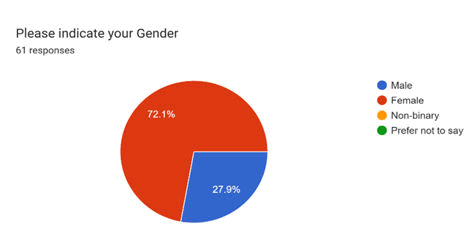
Figure 1: Gender repartition.
A significant portion of the sample, constituting the majority at 84.9%, reported themselves as full-time employed individuals-counting the self-employed portion as part of the full-time employed one. Meanwhile, part-time employment also featured among the respondents" profiles, with 8.3% indicating their involvement in part-time positions. Furthermore, a no number of respondents, accounting for 5%, are either students or mentioned their participation in internships, signifying the inclusion of those in the early stages of their careers. The data underscores the predominantly employed nature of the sample, demonstrating a workforce-centric composition (Figure 2).
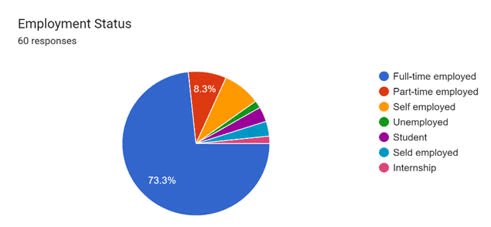
Figure 2: Employment status.
In examining the distribution of survey submissions, it becomes evident that Lebanon stands out as the primary contributor, comprising a substantial majority of 78.7% of the total responses. In contrast, international submissions, while present, constitute a relatively smaller portion of the dataset (Figure 3).
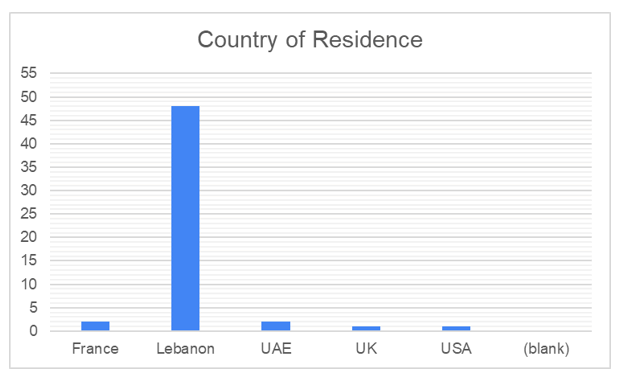
Figure 3: Country of residence.
Among the respondents, 42.6% reported holding a Bachelor's degree, reflecting a substantial portion of the cohort. Additionally, 50.8% of submissions indicated that they have attained a Master's degree, signifying a noteworthy proportion of individuals with advanced academic qualifications. Furthermore, 6.6% of participants stated that they hold a Doctoral degree, underlining the inclusion of individuals with the highest level of academic achievement. This distribution of educational levels underscores the diversity within the sample, showcasing a blend of Bachelor's, Master's, and Doctoral degree holders.
“Advertising/Marketing” and “Technology/Software” stand out as the most prominent sectors, comprising 36.07% and 19.67% of the responses, respectively. Some companies include but are not limited to: Publicis, Cardinal Health, Hovi Digital Lab, FATCOW Digital, DAYOSS, PepsiCo, Tomkeen, etc. These two industries collectively account for a substantial majority of the dataset, underscoring the significant presence of individuals engaged in marketing, advertising, and technology-related roles. Following closely, "Healthcare/ Pharmaceuticals" and "Education" contribute to the diversity, representing 13.11% and 9.84% of the sample, respectively. Moreover, "Financial Services" constitutes 6.56% of the responses, indicating the participation of individuals from the financial sector. Additional industries, such as "Fashion/ Apparel," "Food and Beverage," "Manufacturing," "Fintech," "Non-Profit/NGO," "Dance Academy Owner," "Languages," and "Real Estate/Property," contribute to the dataset with percentages ranging from 1.64% to 3.28%. This varied industry representation enriches the dataset, offering a comprehensive exploration of professional perspectives across different sectors (Figure 4).
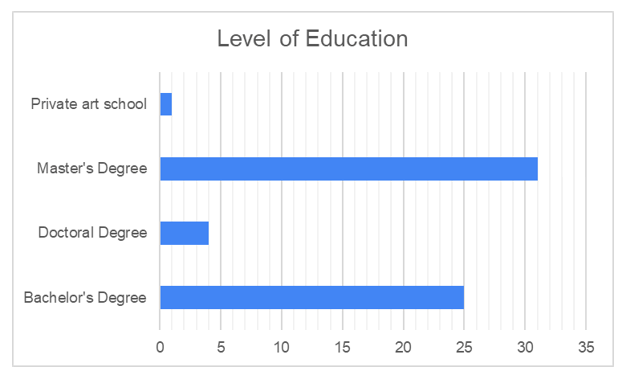
Figure 4: Level of education.
A substantial portion of respondents, comprising 44.3% of the sample, possess seven or more years of experience in their respective fields. Additionally, a significant proportion of respondents, representing 19.7% each, have reported holding between three to five years of experience and one to three years of experience, highlighting the presence of both midcareer and early-career professionals. Moreover, 13.1% of participants have indicated they possess between zero to one year of experience, denoting a presence of individuals in the early stages of their careers. A smaller yet noteworthy group, constituting 3.3% of the responses, falls within the five to seven years of experience range. This distribution underscores the diversity of experience levels within our sample, allowing for a holistic exploration of professional perspectives across different stages of career development (Figure 5).
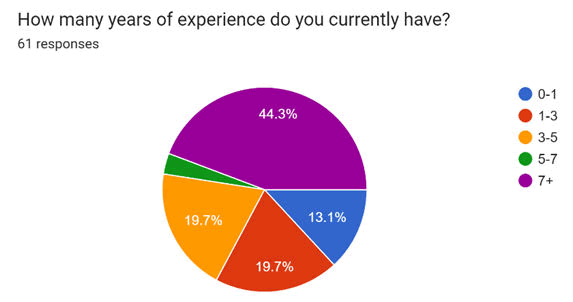
Figure 5: Years of experience.
Familiarity with AI and Digital Marketing
Familiarity with digital marketing: A substantial 44.3% of participants expressed a high degree of familiarity, classifying themselves as "very familiar" with the concept. Additionally, 32.8% of respondents indicated that they possess a "familiar" understanding of digital marketing, signifying significant awareness within the group. Furthermore, 11.5% reported being "somewhat familiar" indicating a moderate level of comprehension in this domain. Notably, 9.8% of participants stated that they lack familiarity with digital marketing. These responses collectively represent a satisfying level of familiarity with digital marketing with regards to this research.
It's worth noting that a portion of the respondents refrained from expressing a definitive opinion regarding their familiarity with digital marketing (Figure 6).
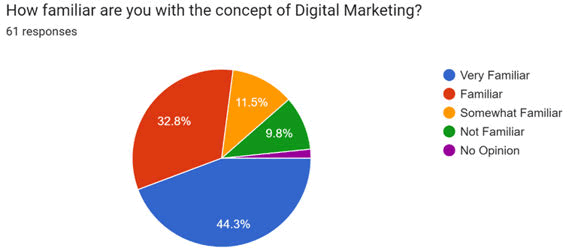
Figure 6: Familiarity with digital marketing.
Familiarity with AI: A substantial 36.1% of respondents expressed a high degree of familiarity, categorizing themselves as "very familiar" with AI. Furthermore, a significant 42.6% indicated that they are "familiar" with the concept of AI, underscoring a widespread recognition of AI among the participants. Additionally, 16.4% reported being "somewhat familiar," indicating a moderate level of comprehension in this field. It is noteworthy that 4.9% of participants acknowledged not being familiar with AI. These responses collectively depict a satisfying level of familiarity with AI (Figure 7).
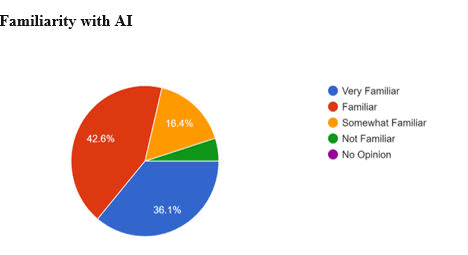
Figure 7: Familiarity with AI.
Experience in using AI in digital marketing: A majority, representing 52.5% of respondents, reported not having any prior experience with AI in their digital marketing endeavors. Conversely, a substantial 47.5% of participants acknowledged having experience with AI in their digital marketing efforts. This indicates a proactive engagement with artificial intelligence among nearly half of the respondents, reflecting a diverse range of AI applications and the potential impact of AI in shaping digital marketing strategies. It is worth noting here that the data was collected between 29 June and 29 August 2023 (Figure 8).
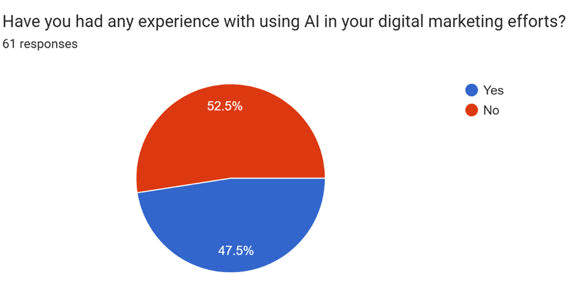
Figure 8: Experience in using AI in digital marketing.
Experience in Using AI in Digital Marketing
A majority, representing 52.5% of respondents, reported not having any prior experience with AI in their digital marketing endeavors. Conversely, a substantial 47.5% of participants acknowledged having experience with AI in their digital marketing efforts. This indicates a proactive engagement with artificial intelligence among nearly half of the respondents, reflecting a diverse range of AI applications and the potential impact of AI in shaping digital marketing strategies. It is worth noting here that the data was collected between 29 June and 29 August 2023.
AI Tools Usage and Impact
Number of AI powered tools used: On average, respondents reported using approximately 1.8 AI-powered tools, indicating a moderate level of engagement with AI technologies. The median value of 1 underscores that half of the participants utilize one AI tool or fewer, emphasizing the prevalence of individuals with relatively minimal AI integration. Notably, the mode at 1 indicates that a single AI-powered tool is the most frequently adopted level among respondents. The dataset also reveals the diversity in AI tool adoption, with responses ranging from a minimum of 0 tools to a maximum of 12 tools, highlighting both minimal and extensive usage within the sample. The Interquartile Range (IQR), which spans from the first quartile (Q1) at 1 to the third quartile (Q3) at 3, illustrates the variability in AI tool usage within the middle 50% of responses. Overall, this data suggests that while there is a moderate level of AI tool adoption among survey participants, there is also significant diversity in the extent to which AI technologies are integrated into their workflows, ranging from minimal to more extensive usage.
In reviewing the dataset regarding the utilization of various AI-powered tools, it becomes evident that a substantial portion of these tools falls within the category of generative AI tools. "ChatGPT" emerges as the most frequently used AI tool, with 47% of respondents indicating its utilization. Notably, generative AI tools such as "Bard" and "Copy.ai" also hold significant positions, with 11% and 15% of respondents, respectively, reporting their use. This emphasizes the presence of generative AI solutions within the participants" AI toolset, highlighting their popularity and effectiveness in various applications. Additionally, while other AI tools like "Otter.ai," "Chorus.ai," and "Midjourney" contribute to the diversity of AI applications, the prevalence of generative AI tools underscores their importance in catering to creative and problem-solving needs within their respective domains.
AI and efficiency: A no 24 out of 61 respondents, representing approximately 39.3% of the sample, expressed agreement that AI has helped them in focusing on larger and more critical problems within their professional responsibilities. Additionally, 8 out of 61 respondents (about 13.1% of the sample) strongly agreed with this sentiment. Thus, 54.2% of the participants showcased agreeableness towards this statement, emphasizing the affirmative impact of AI in enabling them to tackle substantial challenges.
However, it is essential to acknowledge the diverse range of opinions within the dataset. Seven out of 61 respondents (approximately 11.5%) disagreed with the notion that AI has facilitated their focus on larger problems, while an equal number (7 out of 61) strongly disagreed. Moreover, 13 out of 61 respondents (roughly 21.3%) remained neutral, indicating neither agreement nor disagreement regarding the influence of AI on their ability to concentrate on significant issues (Figure 9).
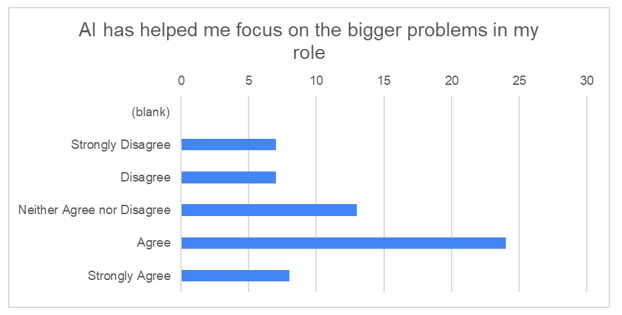
Figure 9: AI and efficiency.
AI’s impact on deliverables: Approximately 32.8% of respondents (20 out of 61) expressed agreement that AI has indeed contributed to enhancing the results of their digital marketing deliverables.
Furthermore, 14.8% of participants (9 out of 61) strongly agreed with this sentiment. Thus 47.6% of the participants showcased agreeableness towards this statement underscoring the affirmative impact of AI on the quality of digital marketing outcomes.
Conversely, a smaller proportion of respondents held more skeptical views, with 4.9% (3 out of 61) expressing disagreement and 6.6% (4 out of 61) strongly disagreeing with the idea that AI has improved their digital marketing deliverables.
A noteworthy portion of participants, comprising 37.7% (23 out of 61), remained neutral, neither agreeing nor disagreeing with the statement regarding AI's impact on digital marketing outcomes. These diverse perspectives within the dataset highlight the complex relationship between AI and digital marketing effectiveness (Figure 10).
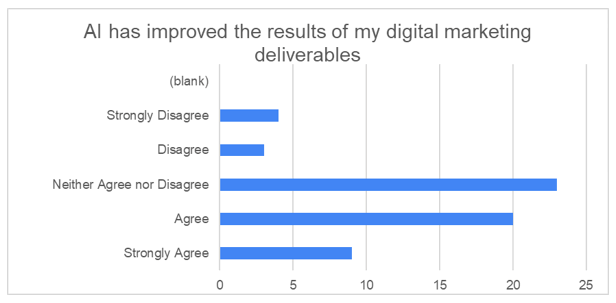
Figure 10: AI's impact on deliverables.
AI and employment: A no portion of respondents, 31.1% (19 out of 61), expressed agreement with the idea that AI has implications on employment in the digital marketing sector
Furthermore, 24.6% of participants (15 out of 61) strongly agreed, highlighting their strong conviction regarding AI's influence on the job landscape in this field. The previous data underlines a 55.7% agreeableness that AI is going to have an impact on employment.
Conversely, a smaller yet significant fraction of respondents held opposing views, with 6.6% (4 out of 61) disagreeing and an additional 6.6% (4 out of 61) strongly disagreeing with the notion that AI has implications on employment in digital marketing. Meanwhile, 27.9% of participants (17 out of 61) took a neutral stance, neither agreeing or disagreeing with the statement (Figure 11).
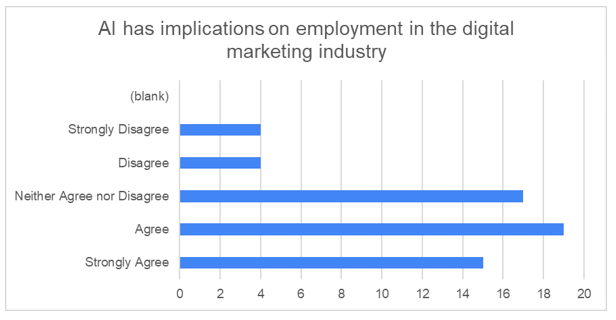
Figure 11: AI and employment.
Importance of AI on the future of the industry: A substantial 34.4% of respondents (21 out of 61) expressed agreement with the idea that AI plays a significant role in the future of digital marketing, while an even larger fraction, comprising 36.1% (22 out of 61), strongly agreed with this statement. These responses underscore the prevailing optimism regarding AI’s pivotal role in shaping the digital marketing landscape moving forward.
While a noteworthy 18% (11 out of 61) of participants took a neutral stance by neither agreeing or disagreeing, indicating a degree of uncertainty, a smaller proportion expressed skepticism. Approximately 4.9% (3 out of 61) of respondents strongly disagreed, and 3.3% (2 out of 61) disagreed with the notion that AI holds significance for the future of digital marketing. This dataset underscores the overall positive sentiment regarding AI's role in the future of the digital marketing industry, with a majority of respondents expressing varying degrees of optimism. However, the diversity of perspectives also highlights the complex interplay between technology and industry evolution, with some participants remaining cautious or skeptical about AI's long-term impact.
The aim of this research was to investigate "The Intersection of Artificial Intelligence and Digital Marketing: Balancing Automation with the Human Touch. Assessing the effects on Productivity, Cost, Quality, and their Implications for Employment in the Industry”. Below are the results found based on both the quantitative and the qualitative analysis (Figure 12).
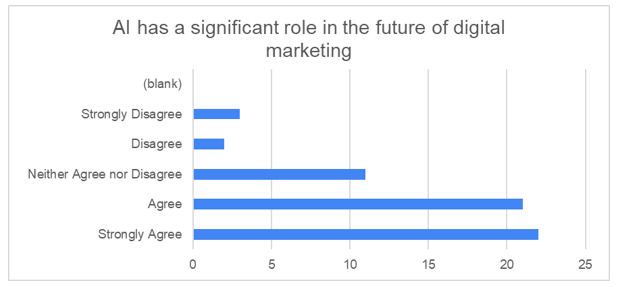
Figure 12: Importance of AI on the future of the industry.
Productivity: 54.2% of the participants showed agreement towards the statement that says that AI helped them focus on bigger problems, emphasizing the affirmative impact of AI in enabling them to tackle substantial challenges. Others noted that AI and Automation can be counterproductive in generating content and that these tools can initially be inefficient but improve over time with increased proficiency. However, most participants recognized the benefits of AI and Automation in reducing anxiety and increasing overall productivity. One of the interviewees even said the following “It helps you get there faster, and it gives you a bit of confidence, peace of mind” while another stated that “It reduces anxiety”.
AI and automation are seen as valuable tools for enhancing productivity and efficiency in tasks related to copywriting, automating processes, as well as email journeys, social media management, chat interactions, video editing, graphic design, and estimating future outcomes.
Further, the strong positive correlations between AI’s impact on productivity and quality (0.828) as well as the fact that AI’s impact on productivity is strongly correlated with the belief that AI has helped individuals focus on bigger problems and improved results (0.791) suggest that participants who view AI as a tool for enhancing their ability to address significant challenges and produce better outcomes also see it as positively influencing their productivity.
Finally, younger individuals were more inclined to perceive AI as a tool for enhancing their ability to tackle substantial challenges in their roles
Cost: Participants indicated that AI tools are cheaper than relying solely on human resources for certain tasks, one participant even suggested that “It is cheaper than the best human”. They emphasized the cost reduction potential of AI and its positive impact on revenue and overall financial management.
Also, a considerable portion of survey respondents, 34.4%, reported that AI has improved their costs. On the other hand, a smaller yet significant fraction of participants, totaling 11.5% expressed the opposite sentiment while a considerable 21.3% remained neutral.
When it comes to the benefits of Automation, the data underscores its significant advantages in terms of time savings, cost savings, and streamlining processes.
It is worth noting that participants who perceive AI as a tool for addressing substantial challenges may also associate it with cost-efficiency gains. Similarly, AI’s positive impact on results shows a positive correlation with its effect on costs (0.593), indicating that those who believe AI enhances outcomes also tend to see it as beneficial for managing costs.
Finally, age exhibits a negative correlation with AI’s impact on costs (-0.3), indicating that younger participants may be more optimistic about AI’s potential for cost-effectiveness within the digital marketing industry compared to their older counterparts.
Quality: On the quality side, participants indicated that AI could speed up the process to reach quality “It helps you reach that level of quality faster because it helps you get through the process of creation faster”, especially in content creation and art. They also highlighted AI's role in fostering creativity by allowing humans to focus on more imaginative tasks. In the context of digital marketing, AI was seen as a quality improvement tool.
Also, a significant 52.4% of survey respondents (32 out of 61) reported that AI has improved the quality of their deliverables to varying degrees highlighting the transformative potential of AI in enhancing the quality of their work.
The correlations indicated that individuals who perceive AI as enhancing quality also tend to view it positively in terms of its effect on human services within their digital marketing roles. This suggests a holistic perspective that encompasses both the quality of deliverables and the quality of human interactions in the context of AI integration. Also, those who view AI as a tool for addressing significant challenges also tend to perceive it as enhancing the overall quality of their deliverables.
Conclusion
This chapter will conclude the study by summarizing key research findings in relation to the research aims and questions, as well as the value and the contribution thereof. It will also review the limitations of the study and propose opportunities for future research.
This study aimed to investigate the intersection of Artificial Intelligence and Automation with Digital Marketing, focusing on how AI is transforming employment within the industry and its immediate and longer-term impacts on various marketing roles. The results indicate that AI integration in digital marketing is indeed altering the industry's workforce landscape, with further findings showing the evolution of skill requirements and the emergence of new AI-related job roles. Moreover, the study delves into the crucial aspect of the "human touch," revealing potential drawbacks related to the diminishing human interactions in customer relationship management in the digital marketing context. Additionally, the implications of AI adoption within the digital marketing sector were explored, specifically assessing its unique impact on productivity, cost, quality, and employment dynamics. The study recognized the under-addressed dimension of quality in digital marketing, including content quality and user experience, as central to the research topic. Lastly, the ethical concerns and the development of regulatory and governance frameworks specific to AI in digital marketing were explored. The findings of this study collectively contribute to advancing the understanding of the complex interplay between AI and digital marketing.
References
- Adeoye-Olatunde O, Olenik NL (2021) Research and scholarly methods: Semi-structured interviews. J Am Coll Clin Pharm. 4(10):1358–1367.
[Crossref] [Google Scholar]
- Makridis CA, Mishra S (2022) Artificial intelligence as a service, economic growth, and well-being. J Serv Res. 25(4):505–520.
[Crossref] [Google Scholar]
- Abuselidze G (2021) The impact of artificial intelligence on employment before and during pandemic: A comparative analysis. J Phys Conf Ser. 1840.
[Google Scholar]
- Almahairah MSZ, Balaji K, Murugan A, Rajesh P, Kumar PH, et al. (2022) A novel study on customer relationship management using artificial intelligence in the retail sector. J Pharm Negat Results. 3(9).
- Candeais M (2022) Automation trends in Portugal: Implications in productivity and employment.
[Google Scholar]
- Jansen D (2023) AI research tools: Hype or help? Grad Coach.
- Majdi M (2023) Gender distribution of marketing and advertising professionals in the United States as of June 2022. Statista.
- Marcus G (2023) Is AI’s “intelligence” an illusion? (I. Bremmer, Interviewer). GZERO Media.
- Martin B, Tolan S (2018) JRC Digital Economy Working Paper 2018-08 Will this time be different? A review of the literature on the Impact of Artificial Intelligence on Employment, Incomes and Growth. JRC Technical Reports-European Commission.
Citation: Boulos M, Ferriere MS (2025) The Intersection of Artificial Intelligence and Digital Marketing: Balancing Automation with the Human Touch. Assessing the Effects on Productivity, Cost, Quality, and their Implications for Employment in the Industry. Br J Res. 12:141.
Copyright: © 2025 Boulos M, et al. This is an open-access article distributed under the terms of the Creative Commons Attribution License, which permits unrestricted use, distribution, and reproduction in any medium, provided the original author and source are credited.