Perspective Article - (2025) Volume 26, Issue 1
Managing Digestion and the Flow of Energy in the Focus
Elena Korhonen*
Department of Physiology and Metabolic Health, Helsinki University of Medical Sciences, Helsinki, Finland
*Correspondence:
Elena Korhonen, Department of Physiology and Metabolic Health, Helsinki University of Medical Sciences, Helsinki,
Finland,
Email:
Received: 29-Jan-2025, Manuscript No. IPP-25-23019;
Editor assigned: 31-Jan-2025, Pre QC No. IPP-25-23019;
Reviewed: 14-Feb-2025, QC No. IPP-25-23019;
Revised: 22-Feb-2025, Manuscript No. IPP-25-23019;
Published:
28-Feb-2025, DOI: 10.36648/1590-8577.26.1.909
Description
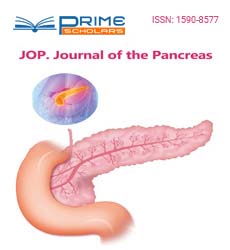
The pancreas is a versatile organ that plays an essential role in human physiology performing functions that affect both digestion and energy management. Located deep within the abdominal cavity it is positioned behind the stomach and in close relation to the duodenum allowing it to interact efficiently with other digestive organs. Though often overlooked this organ’s contributions are fundamental as disturbances in its function can lead to widespread health issues. Understanding the structure, function and potential vulnerabilities of the pancreas is essential for maintaining overall well-being. The organ is anatomically divided into three sections: the head, body and tail. The head rests within the curve of the duodenum while the body crosses behind the stomach and the tail extends toward the spleen. Its structure accommodates two interdependent systems: the exocrine system responsible for producing digestive enzymes and the endocrine system which secretes hormones to regulate blood glucose. These systems operate in tandem allowing the pancreas to manage nutrient breakdown while ensuring proper energy distribution throughout the body.
The exocrine portion of the pancreas constitutes the majority of its tissue. It produces enzymes such as amylase, lipase and proteases which are secreted into a network of ducts that converge into the main pancreatic duct. This duct empties into the duodenum where the enzymes become active aiding in the breakdown of carbohydrates, fats and proteins. Proper enzyme activity is critical for nutrient absorption and any disruption can result in malnutrition, weight loss and gastrointestinal discomfort. Maintaining the efficiency of this system is crucial for digestive health. The endocrine system though smaller is equally vital. The islets of Langerhans contain several types of hormone-producing cells including beta cells that release insulin, alpha cells that secrete glucagon and delta cells that produce somatostatin. Insulin promotes the uptake of glucose by tissues lowering blood sugar while glucagon triggers the liver to release stored glucose raising blood sugar levels when necessary. Somatostatin regulates the balance between these hormones ensuring stable energy levels throughout the day. Disruption in this system can lead to diabetes a condition with widespread effects on organs such as the kidneys, eyes, heart and nervous system. Preventive measures such as a balanced diet, regular exercise and healthy weight management are essential for protecting endocrine function.
Pancreatitis or inflammation of the pancreas demonstrates the organ’s sensitivity. This condition occurs when digestive enzymes activate prematurely within the pancreas leading to tissue damage. Acute cases may arise due to gallstones, alcohol consumption or certain medications and often resolve with appropriate medical intervention. Chronic pancreatitis however results from repeated inflammation and can cause permanent damage affecting both digestive enzyme production and hormone secretion. This may lead to malabsorption, weight loss and secondary diabetes. Lifestyle choices including reduced alcohol intake, healthy nutrition and management of gallbladder health can significantly decrease the risk of pancreatitis. Pancreatic cancer represents another serious health challenge. Often asymptomatic in early stages it is frequently diagnosed only after significant progression presenting with symptoms such as abdominal pain, jaundice, unexplained weight loss and fatigue. Risk factors include smoking, obesity, chronic pancreatitis and hereditary genetic mutations. It continues to more improve diagnostic techniques and treatment strategies combining surgery, chemotherapy and innovative targeted therapies. Early detection remains critical to improving survival rates. Advances in medical research have also focused on the pancreas’s regenerative potential. Scientists are investigating ways to restore insulin-producing cells and developing artificial pancreas systems that can automatically regulate blood sugar.
Additionally, the study of diet, gut microbiota and metabolic interactions offers insights into strategies for supporting pancreatic health and preventing disease. These findings suggest that proactive care and medical innovation can enhance both the longevity and performance of this organ. Lifestyle choices are fundamental to preserving pancreatic function. Diets rich in fiber, lean protein and healthy fats support both digestive enzyme efficiency and blood sugar balance. Regular physical activity improves tissue responsiveness to insulin reducing strain on beta cells. Limiting alcohol consumption and avoiding tobacco reduce inflammation and lower cancer risk. Adequate hydration ensures optimal enzyme flow and sufficient rest supports metabolic balance. Consistently implementing these habits contributes to long-term pancreatic health. Ultimately the pancreas exemplifies how a single organ can integrate multiple complex systems to sustain life. Through its digestive and hormonal functions, it ensures that nutrients are efficiently processed and energy is available when needed. Awareness of its structure, function and potential vulnerabilities combined with informed lifestyle choices and timely medical care is essential for maintaining optimal health. Protecting this organ can significantly enhance overall vitality and metabolic stability.
Citation: Korhonen E (2025) Managing Digestion and the Flow of Energy in the Focus. J Pancreas. 26:909
Copyright: This is an open access article distributed under the terms of the Creative Commons Attribution License, which permits unrestricted use, distribution, and reproduction in any medium, provided the original work is properly cited.