Research Article - (2025) Volume 9, Issue 1
Sources, Pathways, and Toxicological Effects of Various Heavy Metals in Ecosystems
Hadj Henni Imene*
Department of Environmental Sciences, Wuhan University of Technology, Wuhan, China
*Correspondence:
Hadj Henni Imene, Department of Environmental Sciences, Wuhan University of Technology, Wuhan,
China,
Tel: hadjhenni.imene.edu@gmail.com,
Received: 03-Nov-2024, Manuscript No. IPJHMCT-24-21913;
Editor assigned: 06-Nov-2024, Pre QC No. IPJHMCT-24-21913 (PQ);
Reviewed: 21-Nov-2024, QC No. IPJHMCT-24-21913;
Revised: 06-Mar-2025, Manuscript No. IPJHMCT-24-21913 (R);
Published:
13-Mar-2025, DOI: 10.36648/2473-6457.10.1.64
Abstract
Heavy metals play an important role in biological processes as enzyme cofactors in trace amounts. However, their importance is overwhelmed by potential risks. Bioaccumulation, toxicity, nonbiodegradability, and persistence are the hallmarks that affect the environment and human health. Bioaccumulation is critical, as metals accumulate in organisms, posing risks to ecosystems, especially in the food chain. This leads to elevated metal concentration in the food chain. Even at trace levels, heavy metals such as lead, mercury, cadmium, chromium, and arsenic are toxic and cause various health issues, emphasizing the need to regulate exposure. Non-biodegradability distinguishes heavy metals: They persist in the environment, increasing the risks associated with prolonged exposure and accumulation. Heavy metals have been the focus of research because of their recognized toxicity. Understanding the sources, pathways, and their effects is crucial for developing effective mitigation strategies. Researchers have also explored pollution control, industrial practices, and remediation techniques. Heavy metals are released into the environment through anthropogenic activities, such as industrialization, urbanization, waste disposal, and agricultural practices, which contaminate the air, water, and soil, contributing to environmental and health risks. This paper discusses the origins and harmful effects of various heavy metals.
Keywords
Heavy metals; Sources; Toxicology; Pollution; Environment; Biosorption
Introduction
The pervasive presence of heavy metals in the environment poses a substantial threat to both human health and ecological systems, necessitating concerted efforts to mitigate their impacts. Although elements such as Mercury (Hg), Chromium (Cr), Lead (Pb), Zinc (Zn), Arsenic (As), Cadmium (Cd), Cobalt (Co), Copper (Cu), and Nickel (Ni) are crucial for various biological processes, their excessive accumulation can result in severe health risks [1]. Although heavy metals are essential for numerous biological functions in living organisms, high concentrations can be detrimental. Heavy metals are categorized into three main groups: Toxic metals (e.g., Hg, Cr, Pb, Zn, Cu, Ni, Cd, As, Co, Sn), precious metals (e.g., Pd, Pt, Ag, Au, and Ru), and radionuclides (e.g., U, Th, Ra, and Am) [2,3]. Among the toxic metals, Pb, Cr, Hg, Zn, As, Cd, Co, Cu, and Ni are discharged into the environment at levels that are harmful to human well-being [4]. Heavy metals can enter the food chain, potentially affecting humans and other organisms, and their toxicity can be amplified when they interact with environmental components such as water, soil, and air [5]. Heavy metals are poisonous, bioaccumulate,and do not biodegrade; therefore, their presence in the environment is of major concern. These properties endow heavy metals with negative consequences for the environment and human health. Metal ions are commonly soluble under aqueous conditions and do not degrade [6]. Therefore, toxic metals rapidly accelerate and accumulate in the human food chain. The detrimental impact of heavy metals is not confined to environmental degradation alone, but extends to human health. Exposure to toxic metals through contaminated food, water, or air can result in a range of health issues including toxicity and carcinogenicity. The significance of this issue is further magnified by the rapid release of metal-containing waste into the environment, both directly and indirectly, during various industrial processes. This unchecked release poses a direct threat to ecosystems and significantly contributes to pollution. The detrimental effects of heavy metals are exacerbated when they interact with other environmental factors [7]. Consequently, the urgent need to address this issue arises from the fact that heavy metals, being non-biodegradable and poisonous, have the potential to cause long-lasting and far-reaching consequences [8]. Heavy metals have been the subject of much investigation due to their toxicity and carcinogenicity [9]. Rapid urbanization, industrialization, and human activity have released heavy metals into the environment. Metalcontaining wastes are either directly or indirectly released into the environment, endangering ecosystems and causing major pollution. Therefore, before releasing solid or watery waste into the environment, these metals must be removed or sequestered.
To safeguard the environment and human health, it is imperative to understand the origins and toxicological consequences of heavy metals. Strategies for the effective removal or sequestration of these metals from solid or liquid waste before their release into the environment are crucial. This study delves into the multifaceted challenges posed by heavy metals, shedding light on their origins, the toxicological implications of several significant heavy metals present in the environment, and the pressing need for proactive measures to curb their environmental impacts.
Materials and Methods
Sources and Toxicological Effects of Heavy Metals
Heavy metals have been naturally occurring elements in the Earth’s crust since their formation. Owing to the significant increase in the use of HMs, terrestrial and aquatic environments have experienced a massive surge in metallic substances. Heavy metal pollution is primarily caused by anthropogenic activities, particularly metal-based industrial activities such as smelting, mining, foundries, and leaching of metals from several sources. The use of fertilizers, insecticides, herbicides, and other agricultural inputs has been linked to a lower degree of heavy metal pollution. Moreover, HM pollution can be caused by natural processes, including soil erosion, volcanic eruptions, metallic corrosion, geological weathering, and forest fires. Some major sources of heavy metal ions are shown in Figure 1.
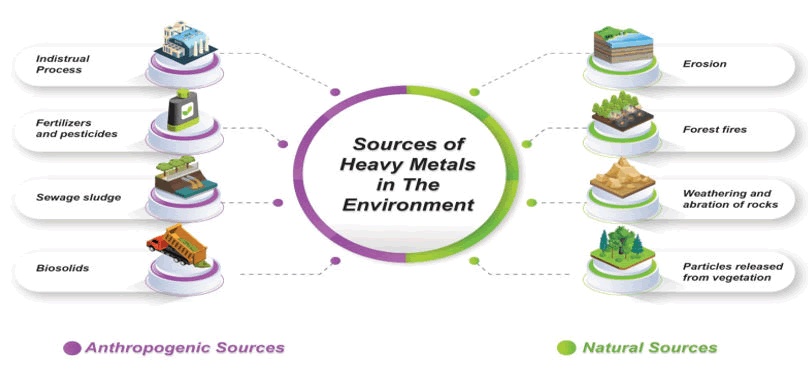
Figure 1: Sources, heavy metals and environmental pollution.
Heavy metal ions in sediment progressively leak into ground and surface water. Several industrial operations cause heavy metal ion contamination of water sources. These industrial activities generate a considerable amount of wastewater containing heavy metal ions, which has a range of health consequences in both animals and humans. Metals are emitted from a wide range of sources, including landfills, waste dumps, urine, livestock and poultry manure, runoff, automobiles, and road construction. Heavy metal pollution, which includes herbicides, insecticides, fertilizers, and other chemicals. Heavy metal pollution is caused by volcanic activity as well as natural processes, such as metal corrosion, metal evaporation from soil and water, sediment re-suspension, soil erosion, geological weathering, and subsurface erosion. Heavy metal pollution is mostly caused by volcanic activity.
Heavy Metals Mediated Toxicity
Heavy metal ions enter the human body via four primary routes: Eating or drinking contaminated food, drinking contaminated water, transferring heavy metals through the skin, and inhalation of contaminated air. Figure 2 shows the damaging effects of heavy-metal ions on the human body. Metals are non-biodegradable and cannot degrade. Metals can be detoxicated by living organisms using a variety of methods, including protein sequestration and deposition in insoluble granules. These detoxification processes allow metals to be excreted through the organism's feces or stored for an extended period of time. HMs accumulate in our bodies over time after being swallowed or inhaled, making them harmful. This bioaccumulation causes physiological and metabolic problems. Essential HMs are required by living organisms to perform vital life processes, such as metabolism and growth. HMs have important functions in both physiological and metabolic processes, making them necessary for survival. Nonetheless, these metals can be hazardous if their concentrations exceed tolerable limits.
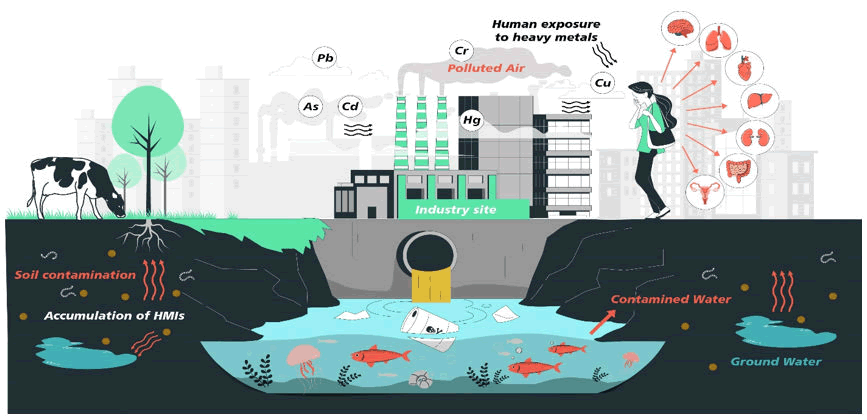
Figure 2: Heavy metal exposure and toxicity in humans.
Results and Discussion
Types of Heavy Metals and their Effects
Zinc (Zn): Zn is rare in nature; however, owing to its extractability from ores and availability in small amounts for a long time, it has been in use. Some of these minerals include zinc, such as ZnO, ZnS, ZnCO3, and Zn2SiO4. Zinc is a micronutrient essential for the body and human’s. It regulates metabolic processes and is involved in physiological processes in living tissues. Similarly, an overabundance of zinc can cause dangerous conditions such as anemia, vomiting, nausea, skin rash, and cramping in the stomach.
The Recommended Dietary Allowance (RDA) that has been set for zinc is as follows: 11 mg for each man and 8 mg for each woman. Zn has the highest tolerance level of all heavy metals, 5 mg/L per set, according to the EPA’s maximum allowable limit for drinking water. Acid-soluble zinc exposure leads to corrosion effects on the skin, damage to the nerve membrane, inflammation, nausea, vomiting, and stomach cramps.
Cadmium (Cd): Cd is present as a natural deposit that also consists of other parts. In industrial wastewater, it is also the heaviest metal with toxic effects. This is important for industries such as alloys, phosphate fertilizers, stabilizers, cadmium-nickel batteries, and plating. These Cd compounds are highly toxic and bioaccumulate in the ecosystem, even if they are present in small amounts. Due to its toxicity, cadmium mainly affects the respiratory system, bones, and kidneys.
It can result in death due to renal failure, weakening of bones through osteoporosis and osteomalacia, diseases of the lungs, bone abnormalities, gastrointestinal problems, bronchitis, and cancer. In many affected patients, the following symptoms signify acute Cd poisoning: Loss of the sense of smell, weight loss, high blood pressure, pulmonary edema, headache, nausea, vomiting, and diarrhea. Cd causes damage to the kidneys and alters human bones, often leading to Itai Itai disease when exposed to the metal for a long time. Cd influences mineral uptake and alters several aspects of the plant’s metabolism, including mineral content and the mechanistic structure of the hard parts of the plant.
Lead (Pb): Pb is normally used in many inorganic structures and has a 2+ oxidation state in most cases. The two most popular fuel additives are tetraethyl and tetramethyl lead because of the low volatility of gasoline evaporation. Motor gasoline is the largest source of lead discharge into the environment, and the alkyl lead used in making motor gasoline contributes approximately 80% of this discharge. This left the Pb concentration in drinking water as low as 0.015 mg/L. Frequent exposure to lead has many adverse effects on the overall health and well-being of people, including low fertility, heart diseases, kidney dysfunction, and neurological disorders of the growth and development of the brain.
The main indications of lead poisoning include kidney diseases and diseases of the brain system and circulation, which cause anemia, brain hemorrhage, anorexia, illnesses, reduction in appetite, deliriums, sleepless nights, convulsions, seizures, and injury to the gastrointestinal tract, as well as mental retardation in children. It is understood that lead is absorbed through the skin; however, a majority of the lead is absorbed through the digestive and respiratory tracts. Diseases associated with Pb include oxidative, inflammatory, and immunomodulating diseases, together with respiratory, urinary, and cardiovascular diseases. Additionally, Pb toxicity is associated with slow physical or mental growth and a reduced IQ level; this is usually observed in children with short attention spans and learning disorders. Other symptoms reported by Jarup include encephalopathy, kidney failure, headaches, and stomach aches.
Chromium (Cr): Cr is the seventh most abundant element in the universe and is readily available. These are Crocoite (PbCrO4), Ferric Chromite (FeCr2O4), and Chrome Ocher (Cr2O3) ores, which contain Cr in their metallic form. Cr is primarily released into the environment through the tanning, textile, leather, and electroplating industries. These sectors discharge waste products with trivalent as well as hexavalent Cr(III). Cr(VI) is more toxic than Cr(III) to plants, animals, and other living organisms. Chromate salts are the primary source of Cr(VI) and are mainly used in industry.
Cr(III) plays an important role in fat and sugar metabolism processes. Contact with chromium or chromium compounds, in which human skin touches chromium, is another way: Breathing in, taking in, or drinking chromium. Food parts that contain chromium (III) are the most widely consumed sources of chromium because chromium (III) is naturally embedded in many fruits, vegetables, meats, cereals, yeasts, and vegetables. dyes, paints, and pigments; film and photographic industries; wood preservatives; galvanometry; steel work; canning; textile Some of these industries include the textile and dyeing industry, leather tanning industry, electroplating and metal cleaning industries, and metal and other industries that use Cr(VI) with a finishing process, while others release Cr (VI) within water bodies through waste disposal. Cr is highly toxic and is an established carcinogen. The inhalation of chromium (VI) may cause nosebleeds and irritation. Even low concentrations of Cr can produce mutational effects that in turn cause lung tumors and cancer, skin rash and allergy, nausea, vomiting, diarrhea, respiratory diseases, immunosuppression, kidney and liver disorders, and altered kidney and liver function tests.
Mercury (Hg): The primary cause of pollution is the process of producing mercury. Mercury is commonly used as a softening agent for various materials. Mercury is one of the most hazardous elements in the environment and the strongest neurotoxin. Industries such as paints, paper and pulp, oil refining, volcanic eruptions, spontaneous forest fires, biogenic emissions, burning fossil fuels, mining, metallurgical processes, pharmaceutical and battery manufacturing, rubber processing, thermometers, fluorescent light tubes, highintensity street lamps, fertilizers, pesticides, and cosmetics are the main sources of mercury pollution in the environment. Mercury gradually accumulates in humans and other animals once it enters the food chain. Mercury has fumes that are easily absorbed by mucous membranes, the skin, and the respiratory system. They can also harm the kidneys and the neurological, circulatory, and endocrine systems.
Heavy Metal Removal
Heavy metals have been extracted from wastewater and effluents by various methods. Metal ions are removed from aqueous solutions using a variety of techniques, including chemical precipitation, oxidation-reduction, filtration, lime coagulation, ionic exchange, electrochemical treatment, membrane techniques, solvent extraction, adsorption on activated carbon, and evaporation. However, these processes are expensive and result in partial removal of the metal. However, these procedures are expensive and waste some metal. Because of its importance, biological pathways for controlling, sequestering, and removing metal pollution have garnered much attention in recent years and are quickly becoming a hot topic in the field of metal pollution control. One such technology is biosorption, which uses naturally occurring biological organisms to remove dangerous heavy metals from wastewater or effluents. The primary advantages of biosorption over conventional treatment methods include low operating costs, environmental friendliness, and ease of use, high metal removal efficiency from diluted solutions, minimal chemical and/or biological sludge, no additional nutrient requirements, biosorbent regeneration, and the potential for metal recovery. Biosorption for heavy-metal ion removal may be an appealing alternative to more established approaches. In addition, the applicability of various technologies is determined by their removal efficiency, environmental impact, and economic viability.
Conclusion
Heavy metals are discharged into the environment from several sources as a result of rapid industrialization and technological progress, putting both human health and the ecosystem at risk. This study examines the sources, impacts, and consequences of several heavy metals. We are currently dealing with the problem of heavy metal contamination, which can be solved using organic materials. Biosorption, a technology recognized for its availability, ability to complete the reaction process, and biodegradability, has been demonstrated to be effective. As heavy metal pollution continues to endanger human health and the environment, it is critical to develop innovative techniques to regulate and minimize its impacts. An interesting area of research is the use of nanotechnology to provide new and improved methods for heavy metal detection, removal, and remediation. Additional research is needed to better understand the long-term impact of heavy metal contamination on ecosystems and human health.
Finally, it is critical to understand the importance of international cooperation and collaboration in solving the problem of heavy-metal contamination. This includes exchanging knowledge and best practices, creating global standards for heavy metal control and cleanup, and assisting emerging countries in developing sustainable solutions.
Conflicts of Interest
The author declares no conflict of interest.
References
- Jacob JM, Karthik C, Saratale RG (2018) Biological approaches to tackle heavy metal pollution: A survey of literature. J Environ Manage. 217:56-70.
[Crossref] [Google Scholar] [PubMed]
- Bishop PL. Pollution prevention: Fundamentals and practice. Tsinghua University Press. 2002.
[Google Scholar]
- Wang J, Chen C (2006) Biosorption of heavy metals by Saccharomyces cerevisiae: A review. Biotechnol Adv. 24(5):427-451.
[Crossref] [Google Scholar] [PubMed]
- Kortenkamp A, Casadevall M, Faux SP (1996) A role for molecular oxygen in the formation of DNA damage during the reduction of the carcinogen Chromium(VI) by Glutathione. Arch Biochem Biophys. 329(2):199-207.
[Crossref] [Google Scholar] [PubMed]
- Mitra S, Chakraborty AJ, Tareq AM (2022) Impact of heavy metals on the environment and human health: Novel therapeutic insights to counter the toxicity. J King Saud Univ Eng Sci. 34(3):101865.
[Google Scholar]
- Fred AO (2019) A 50-year review on heavy metal pollution in the environment: Bivalves as bio-monitors. Afr J Environ Sci Technol. 13(6):220-227.
[Google Scholar]
- Kumar R, Verma A, Shome A (2021) Impacts of plastic pollution on ecosystem services, sustainable development goals, and need to focus on circular economy and policy interventions. Sustainability. 13(17):9963.
[Google Scholar]
- Briffa J, Sinagra E, Blundell R (2020) Heavy metal pollution in the environment and their toxicological effects on humans. Heliyon. 6(9):e04691.
[Google Scholar]
- MacCarthy P, Klusman RW, Cowling SW (1995) Water analysis. Anal Chem. 67(12):525-582.
[Crossref] [Google Scholar] [PubMed]
Citation: Imene HH (2025) Sources, Pathways, and Toxicological Effects of Various Heavy Metals in Ecosystems. J Heavy Met Toxicity Dis. 10:64.
Copyright: © 2025 Imene HH. This is an open-access article distributed under the terms of the Creative Commons Attribution License, which permits unrestricted use, distribution, and reproduction in any medium, provided the original author and source are credited.