Review Article - (2025) Volume 9, Issue 1
Socio-economic Study of Duck Farming in the Peri-Urban Area of N'Djamena
Khadidja Hassaballah Hamid1* and
Ahamat Abdoulaye Mahamat2
1National Higher Institute of Livestock of Moussoro, Moussoro, Chad
2Department of Biology, University of N’Djamena, N’Djamena, Chad
*Correspondence:
Khadidja Hassaballah Hamid, National Higher Institute of Livestock of Moussoro, Moussoro,
Chad,
Email:
Received: 12-Jul-2025, Manuscript No. IPJASLP-25-22744 ;
Editor assigned: 15-Jul-2025, Pre QC No. IPJASLP-25-22744 (PQ);
Reviewed: 29-Jul-2025, QC No. IPJASLP-25-22744 ;
Revised: 21-Aug-2025, Manuscript No. IPJASLP-25-22744 (R);
Published:
28-Aug-2025, DOI: 10.36648/2577-0594.9.1.39
Abstract
In a context of rapid urbanization and socioeconomic transformation in the peri-urban areas of N'Djamena (Chad), duck farming is emerging as a promising alternative activity, particularly for vulnerable populations. This study aims to characterize breeding practices, reproductive performance, as well as the constraints and opportunities related to duck production in this area. The survey was conducted from January to February 2022 in 19 villages across the provinces of Chari Baguirmi, Hadjer Lamis and N'Djamena. A total of 212 farmers were interviewed using structured questionnaires covering farmer profiles, farming systems, feeding, hygiene, animal health and reproduction. The data were analyzed using XL-STAT software, with descriptive statistics and significance tests at the 5% level. The results show that breeding is predominantly extensive (97%), practiced by men (70%), mainly farmers (61%), with an average experience of 11 years. The average herd is 16 head, composed mainly of the Barbary breed. Feeding is based on local products (bran, kitchen scraps) and the infrastructure is rudimentary, often made of beaten earth. Ducks lay an average of 13.5 eggs per cycle, with a hatching rate of 84.6% and a weaning survival rate of 81.5%. The main constraints identified are diseases, lack of feed and the absence of veterinary monitoring, with prophylaxis being practiced by only 14% of breeders. Duck farming in the outskirts of N'Djamena is a promising traditional activity, but it is still poorly regulated. Its development requires better structuring of the sector, strengthening the technical capacities of breeders and improving access to inputs and veterinary services.
Keywords
Socio-economic study; ducks; Peri-urban area; N’Djamena
Introduction
In a context of high urbanization and rapid population growth, the peri-urban areas of major African cities, particularly N'Djamena in Chad, are experiencing a significant transformation of their socio-economic fabric. Migration dynamics, land pressure and changes in employment are pushing populations to seek new forms of economic activity. Among these, small-scale livestock farming and more specifically duck farming, is emerging as an attractive alternative. Inexpensive, flexible and adaptable to urban conditions, this type of livestock farming constitutes an important means of subsistence for many households.
In Chad, poultry farming has traditionally been dominated by the breeding of local chickens. However, in the face of market volatility, growing demand for quality meat and dietary diversification, duck farming is gradually gaining popularity, particularly in the outskirts of N'Djamena, where access to farmland and water sources makes it possible to consider semi-intensive farming systems [1-5].
Duck farming remains a little-studied area in the socioeconomic literature in Chad. However, it offers considerable advantages: low investment costs, rapid animal growth, short-term profitability and strong adaptability to agro-urban systems. In a country where the poverty rate remains high (42.3% according to the INS, 2021) and where urban agriculture constitutes a social buffer, understanding the role and dynamics of this activity becomes imperative [6].
Furthermore, the social dimension of this activity is crucial. It often mobilizes women and young people, who are particularly affected by unemployment. Duck farming thus becomes a lever for empowerment, economic inclusion and food security. Village poultry farming represents a vital activity in developing countries, particularly for food security, income generation and poverty reduction. Duck farming is attracting growing interest in Africa due to its hardiness, resistance to disease and ability to produce meat and eggs in difficult conditions. In Chad, however, duck farming remains undervalued despite its economic potential. The objective of this study is to characterize the production and reproduction parameters of ducks in the peri-urban area of N'Djamena, while identifying the constraints and opportunities related to this activity [7-10].
Materials and Method
Study Area and Period
The study was conducted from January to February 2022 in 19 villages in the provinces of Chari Baguirmi, Hadjer Lamis and N'Djamena, located along the Chari and Logone rivers. These areas are semi-arid, with significant annual rainfall variation.
This study area has a hot and dry semi-arid climate with two seasons: a dry season and a wet season. Rainfall in this area is highly variable. The villages are spread across three provinces: Chari Baguirmi, Hadjer Lamis and N'Djamena province. Most of the selected villages are located along the Chari or Logone rivers and are home to a significant number of local duck producers (Muscovy Duck: Cairina moschata) (Figure 1).
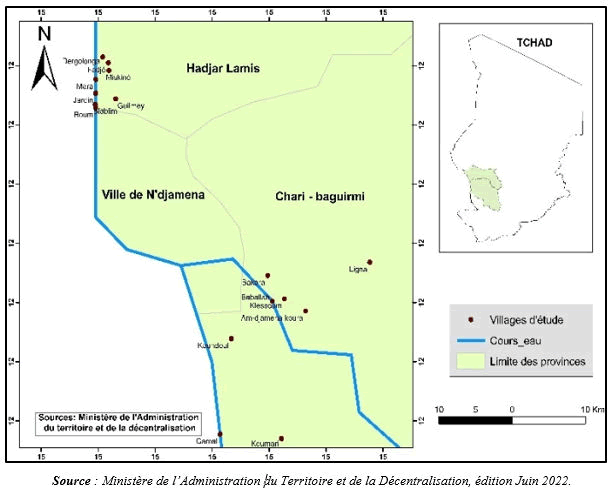
Figure 1: Distribution of study villages.
Materials and Data Collection
The study involved 212 farmers surveyed using a structured questionnaire. The information collected covered the characteristics of farmers, farming systems, breeding practices, feeding, hygiene, animal health and production constraints.
Data Processing
Data were entered into Excel and analyzed using XL-STAT 6.1.9 software. Descriptive statistics (means, standard deviations, frequencies) and analyses of variance were performed, with a significance level of 5% [12-15].
Results
Socio-professional Profile of Breeders
The livestock breeders are mostly men (70%), with an average age of 42 ± 0.96 years (Table 1), married (86%) and literate (76%). Their main activity is agriculture (61%), with an average livestock breeding experience of 11 ± 0.52 years (Table 2).
|
Parametres
|
Minimum
|
Moyenne ± Ecart-type
|
Maximum
|
|
Age
|
15,00
|
42,00 ± 0,96
|
75,00
|
|
Number of years of breeding
|
1,00
|
11,08 ± 0,52
|
50,00
|
Table 1: Distribution of breeders according to age and experience.
Other socio-professional parameters of the breeders are grouped in Table 3.
|
Parameters
|
Characteristics
|
Numbers
|
%
|
|
Sex
|
M
|
149
|
70,28
|
|
F
|
63
|
29,72
|
|
Situation matrimoniale
|
Married
|
183
|
86,32
|
|
Single
|
20
|
9,43
|
|
Widowed
|
9
|
4,25
|
|
Religion
|
Christian
|
135
|
63,68
|
|
Muslim
|
76
|
35,85
|
|
Animist
|
1
|
0,47
|
|
Ethnic groups*
|
Sudanian Zone
|
162
|
76,42
|
|
Sahelian Zone
|
50
|
23,58
|
|
Level of study
|
Illiterate
|
50
|
23,58
|
|
Primary
|
68
|
32,07
|
|
Secondary
|
73
|
34,43
|
|
University
|
21
|
9,91
|
|
Main activity
|
Agriculture
|
130
|
61,32
|
|
Commerce
|
23
|
10,85
|
|
Official
|
22
|
10,38
|
|
Resourceful
|
20
|
9,43
|
|
Students and pupils
|
11
|
5,19
|
|
Fishing
|
4
|
1,89
|
|
Breeding
|
2
|
0,94
|
|
Secondary activity
|
Breeding
|
178
|
83,96
|
|
Agriculture-Livestock
|
21
|
9,91
|
|
Breeding-Fishing
|
6
|
2,83
|
|
Trade-Livestock
|
5
|
2,36
|
|
Agriculture
|
2
|
0,94
|
Table 2: Socio-professional parameters of duck breeders in the surveyed area.
Characteristics of the Farms
The majority (97%) practice extensive free-range farming, with a predominance of the Barbary breed (99%). The average flock is 16 ducks. The production objective is mainly self-consumption and sale (88%) [16].
Power Systems and Housing
Table 3 shows the characteristics and hygiene of the dwellings. Food mainly consists of cereals, kitchen waste and bran (66.5%). The duck houses are mostly made of beaten earth (64.4% for the walls; 62.9% for the roofs). Cleaning is carried out once or twice a month (Table 3) [17,18].
| Parametres |
Features |
Frequencies (%) |
Total |
| Mur |
Clay |
64,42 |
100 |
| Bricks |
35,1 |
| Cinder blocks |
0,48 |
| Toit |
Clay |
62,98 |
100 |
| Sheet metal |
35,1 |
| Wood |
1,44 |
| Straw |
0,48 |
| Floor |
Clay |
97,59 |
100 |
| Cement |
1,92 |
| Paving |
0,49 |
| Cleaning practice |
Yes |
99 |
100 |
| No |
1 |
| Cleaning frequency |
Once a month |
42 |
100 |
| 55 |
| Twice a month |
3 |
| Disinfection practice |
Yes |
51 |
100 |
| No |
49 |
| Disinfection frequencies |
Once a month |
20 |
100 |
| Twice a month |
63 |
| Twice or more times a month |
17 |
Table 3: Characteristics and hygiene of duck housing in the survey area.
Reproduction Parameters
Breeders are mainly selected from the breeder's backyard. The average age of first laying is 6.81 ± 0.09 months. The ducks have an average of 2.4 laying cycles per year with 13.5 eggs per cycle. The hatching rate is 84.6% and the survival rate to weaning is 81.5%.
Structures and Compositions of Farms
The structures and compositions of duck farms in the study area are grouped in Table 4 [19-22].
| Parameters |
Characteristics |
Numbers |
Minimum |
Mean and standard deviation |
Maximum |
| Composition of farms |
Males |
432 |
1,00 |
2,47 ± 0,1 |
10,00 |
| Females |
1106 |
1,00 |
5,22 ± 0,3 |
33,00 |
| Young |
1069 |
1,00 |
8,42 ± 0,64 |
38,00 |
| Males |
- |
4,00 |
6,98 ± 0,12 |
12,00 |
| Age of puberty (months) |
Females |
- |
4,00 |
6,60 ± 0,09 |
12,00 |
| Number of breeders |
Males |
373 |
1,00 |
2,07 ± 0,10 |
10,00 |
| Females |
1085 |
1,00 |
5,12 ± 0,31 |
33,00 |
Table 4: Structures and composition of farmyards in the survey area.
Origin and Criteria for Choosing Breeding Ducks
The breeding ducks were mostly chosen from the same farmyard (Figure 2) [23-25].
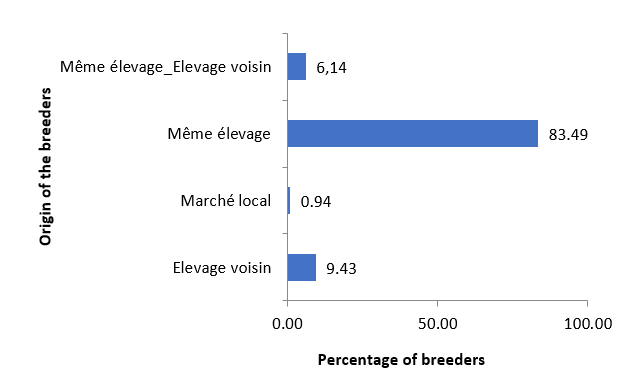
Figure 2: Origin of breeding ducks.
For the selection criteria, the majority of producers in the study area choose breeding ducks based mainly on morphology rather than other criteria (Figure 3).
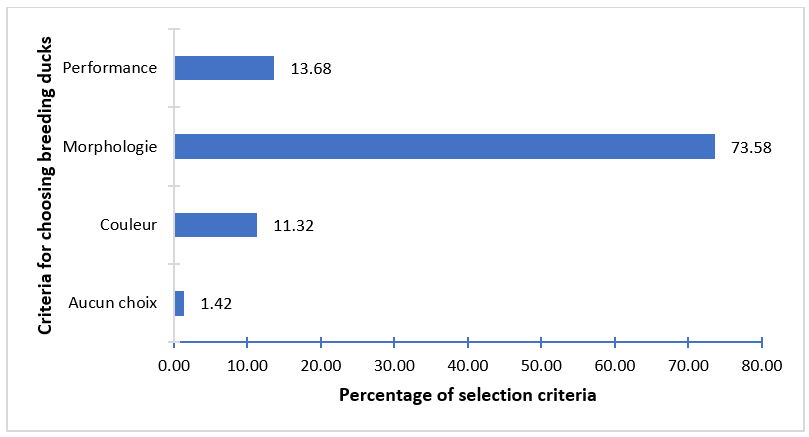
Figure 3: Criteria for choosing breeding ducks in the survey area.
Origin and Selection Criteria for Breeders
The majority of breeding ducks came from the same farm (97%). However, some were also purchased locally (2%) and from neighboring farms (1%). The selection criteria for the ducks were primarily based on egg-laying performance followed by good duckling behavior (Figure 4) [26].
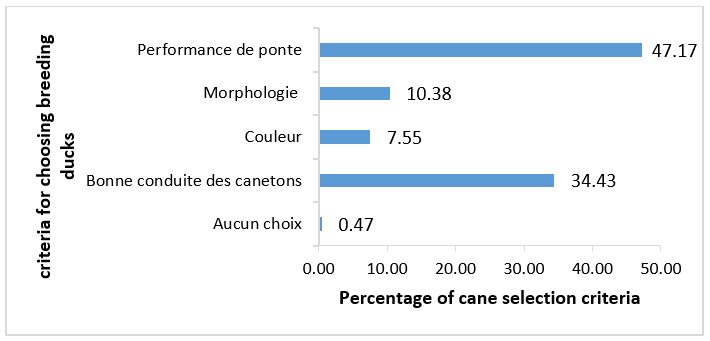
Figure 4: Criteria for choosing breeding ducks in the farms surveyed.
Reproduction Mode and Parameters
The breeders surveyed in the study area all stated that they use the uncontrolled breeding method on their farms. Table 5 shows the breeding parameters of ducks in the study area [27-30].
| Parametres |
Minimum |
Mean ± Standard deviation |
Maximum |
| Male culling age (Year) |
1,00 |
2,71 ± 0,070 |
7,00 |
| Female culling age (Year) |
1,50 |
3,48 ± 0,060 |
6,00 |
| Laying cycle per year |
1,00 |
2,40 ± 0,039 |
3,00 |
| Age at first lay |
5,00 |
6,81 ± 0,094 |
12,00 |
| Number of eggs laid/cycle |
9,00 |
13,50 ± 0,130 |
16,00 |
| Laying duration |
9,00 |
13,50 ± 0,130 |
16,00 |
| Number of eggs incubated/cycle |
9,00 |
13,51 ± 0,130 |
16,00 |
| Incubation duration |
28,00 |
30,07 ± 0,107 |
35,00 |
| Number of eggs hatched/cycle |
7,00 |
12,03 ± 1,967 |
16,00 |
| Weaning age (Months) |
1,00 |
2,08 ± 0,045 |
4,00 |
| Number of ducklings at weaning |
4,00 |
9,82 ± 0,171 |
16,00 |
| Number of mortalities before weaning |
1,00 |
2,75 ± 0,090 |
7,00 |
| Number of mortalities after weaning |
1,00 |
1,33 ± 0,140 |
3,00 |
Table 5: Reproductive parameters of ducks in the survey area.
Hatching Rates, Survival to Weaning and Pre-weaning Mortality
Table 6 shows the hatching rates, survival to weaning at 2 months and the pre-weaning mortality rate [31].
| Parametres |
Minimum |
Mean ± Standard deviation |
Maximum |
| Hatching rate (%) |
55,56 |
84,59 ± 0,60 |
100,00 |
| Weaning survival rate (%) |
41,67 |
81,53 ± 1,04 |
100,00 |
| Pre-weaning mortality rate (%) |
6,67 |
22,94 ± 1,50 |
58,33 |
Table 6: The different rates.
Production constraints
Figure 5 highlights the various problems associated with duck farming in the area. The main constraints identified are diseases (diarrhea, respiratory problems), lack of feed and the absence of health monitoring (only 14% practice prophylaxis). Diseases appear on average once a year [32].
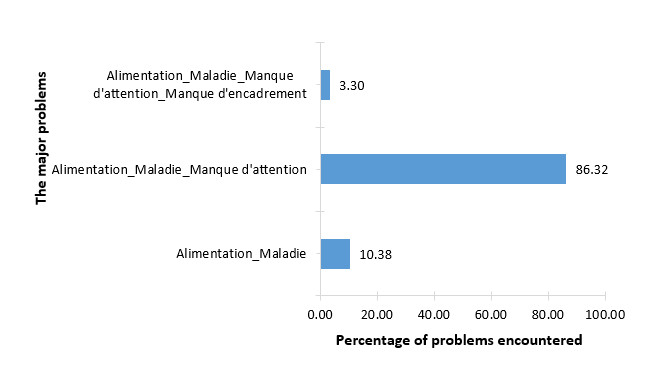
Figure 5: The major difficulties of breeding.
Discussion
The results show that duck farming in the peri-urban area of N'Djamena is largely dominated by low-input operations, practiced mainly by farmers. The breeders are mostly men. This result corroborates with that obtained in Chad in the DRC, in Kenya (Ndegwa and Kimani, 1996), in Côte d'Ivoire, in Burkina Faso. On the other hand, this result is different from those obtained in Senegal, Nigeria, Cameroon and Senegal (Nahimana et al., 2019) who maintain that this poultry farming activity is traditionally female. The breeders are mostly married. This result was observed by Ndegwa and Kimani, Mopate and Maho, Mahamat and Mouktar and Moula, Mugumaarhahama et al during their studies on local chickens. The majority of breeders in the study area are educated [33-35].
The majority of duck farmers in the study area build duck coops/shelters using local materials. The same observations were made by Youssao et al. and Dete in Benin, Tadelle and Ogle, El-Yuguda et al. and Ayssiwede et al., respectively in Ethiopia, Nigeria and Senegal. According to some authors, duck farming does not require major construction but on the contrary, farmers provide the birds with makeshift dwellings which consist of an assembly of wood or bricks topped with simply sheet metal. Traditional production systems predominate, reflecting a lack of professionalization in the sector. However, the observed reproductive parameters (age at first laying, hatching rate, number of eggs) are acceptable compared to other regions of West Africa. Health and food difficulties are the main obstacles to the development of this sector. Pre-weaning mortality, although relatively controlled, remains a critical point for productivity. Poor access to veterinary care and technical supervision limits the performance of farms. Compared to other countries (Nigeria, Benin, Ivory Coast), practices remain similar in terms of breeding methods, feeding and selection of breeders. However, low genetic diversity and the absence of improvement programs weigh on overall performance [35-38].
Conclusion
The study reveals that duck farming in the peri-urban area of N'Djamena is a traditional activity with strong socio-economic potential. Despite constraints related to health, nutrition and the environment, reproductive performance is acceptable. It is therefore necessary to strengthen technical supervision, improve sanitation practices, promote accessible inputs and structure the sector to ensure its sustainability. This sector could play a key role in food security and poverty reduction in Chad.
References
- Aboe PA, Boa-Amponsem K, Okantah SA, Butler EA, Dorward PT, et al. (2006) Free-range village chickens on the Accra Plains, Ghana: Their husbandry and productivity. Trop Anim Health Prod. 38(3):235-248.
[Crossref] [Google Scholar] [PubMed]
- Adeyemi M, Oguntunji A, Ayorinde K (2008) An assessment of duck production in South-Western Nigeria. Nigerian J Anim Prod. 35(2): 200–208.
- Akpla YD (2013) Characterization of duck farming systems in southern Benin. Master’s thesis, University of Abomey-Calavi.
- Amanidja G, Kouassi KJ, Yao KP (2018) Duck farming systems in southern Côte d’Ivoire. Afr J Environ Agric. 1(2):112–120.
- Ayssiwede SB (2013) Characterization of traditional poultry production systems in Senegal. Int J Biol Chem Sci. 7(3):1125–1143.
- Baruwa OI, Oguntunji AO, Ayorinde KL (2018) Socioeconomic characteristics of duck farmers in Nigeria. Poultry Sci J. 6(2):99–105.
- Bastianelli D, Mopate LY, Manjeli Y (2002) Traditional poultry farming in tropical Africa: Constraints and ways of improvement. INRA Produc Anim. 15(3):217–228.
- Branckaert RDS, Gueye EF (1999) FAO’s programme for support to family poultry production. In: F. Dolberg et P.H. Petersen (eds) Poultry as tool in poverty eradication and promotion of gender equality. Proceed Workshop. 244-256.
- Dessie T, Ogle B (2001) Village poultry production systems in the central highlands of Ethiopia. Trop Anim Health Prod. 33(6):521-537.
[Crossref] [Google Scholar] [PubMed]
- Clarisse D (2016) Characteristics of local duck farms (Cairina moschata) in the Atlantique department. End-of-training internship report presented for the professional degree. 1-71.
- Drechsel P, Kunze D, Vries DE (2021) Soil nutrient depletion and population growth in sub-Saharan Africa: A Malthusian nexus? Popul Environ. 22(4):411-423.
[Google Scholar]
- Duru S, Nwanta JA, Nnadi PA (2006) Studies on duck production and health problems in Nsukka area of Enugu State, Nigeria. J Agric Soc Res. 6(2):56–62.
- FAO (2002) Guidelines for poultry production under village conditions. Rome: Food and Agriculture Organization.
- FAO (2008) Producing poultry meat and eggs for income generation. Rome: Food and Agriculture Organization.
- FAO (2010) The State of the World's Animal Genetic Resources for Food and Agriculture. Rome: FAO.
- FAO (2021) Rural poultry fact sheets. Rome: Food and agriculture organization of the United Nations.
- Faostat F (2014) Food and Agriculture Organization statistical database.
- Fasina OE (2007) Contribution of indigenous ducks to household economy. Trop Anim Health Prod. 39(4):285–293.
- Fotsa JC (2008) Dynamics of indigenous poultry farming in Cameroon. HDR thesis, University of Dschang.
- Gueye EH (1998) Village egg and fowl meat production in Africa. World's Poultry Sci J. 54(1):73-86.
[Crossref] [Google Scholar]
- Hien CO, Diarra B, Drabo Y, Boly H, Sawadogo L (2005) Traditional poultry farming practices by different ethnic groups in the Cascades region of Burkina Faso. Afr Agron. 227-239.
- Houessionon B (2011) Characterization of duck farming systems in southern Benin. Thesis of Agricultural Engineer, University of Abomey-Calavi.
- Kuit HG, Traore A, Wilson RT (1986) Livestock production in central Mali: Ownership, management and productivity of poultry in the traditional sector. Trop Anim Health Prod. 18(4):222-231.
[Crossref] [Google Scholar] [PubMed]
- Etienne LN (2013) Phenotypic and molecular characterization of local chickens (Gallus gallus domesticus Linnaeus, 1758) from two agro-ecological zones of Côte d’Ivoire. Thesis, Felix Houphouët-Boigny University.
- Mahamat HI, Mouktar M (2006) Study on poultry farming systems in Chad. IRED Scien Bull. 15(2):33–40.
- Meulen UVD (2004) Duck production in tropical regions. FAO Anim Produc Health Paper. 154.
[Google Scholar]
- Mopate LY (1999) Study of traditional poultry production systems in N’Djamena. IRED Bull. 11(1):47–53.
- Logtene YM, Maho A (2015) Characteristics and productivity of village family poultry farming in Southern Chad. Livest Res Rural Dev. 17(11).
- Moula N (2012) Characteristics of poultry production systems in Bas-Congo (DRC). J Livest Vet Med Trop Countries. 65(1-4):15–21.
- Mugumaarhahama Y, Ayagirwe RBB, Mutwedu VB, Sadiki JM, Baenyi P, et al. (2016) Characterization of local chicken production systems in two agro-ecological zones of South Kivu (Democratic Republic of Congo). Evangelical University in Africa.
- Nahimana G, Ossebi W, Missohou A, Ayssiwede SB (2019) Analysis of the socio-economic importance of family poultry farming in the Salemata Department of Senegal. Int J Biol Chem Sci. 13(7):3131-3143.
[Crossref] [Google Scholar]
- Ndegwa JM, Kimani CW (1996) Proceedings of the 5th Kenya Agricultural Research Institute (KARI) Scientific Conference, (KARI, Nairobi). 15-38.
- Oguntunji AO, Ayorinde KL (2015) Management practices and productivity of ducks under rural and peri-urban systems in Nigeria. Int J Livest Prod. 6(5):58–65.
- Ouédraogo WR (2018) Socio-economic, phenotypic and zoo technical characterization of the local chicken of Burkina Faso. End of engineering cycle dissertation, Rural Polytechnic Institute for Training and Applied Research (IPR/IFRA) of Katibougou. 1-57.
- Arthur J (2017) Duck eggs. InEgg innovations and strategies for improvements. Academic Press. 23-32.
- Sonaiya EB, Swan S (2004) Small scale poultry production: Technical guide.
[Google Scholar]
- Youssao AKI (2010) Phenotypic characterization of local ducks in Benin. J Anim Plant Sci. 7(3):824–836.
- Zaman MA (2004) Effect of duck raising in integrated farming systems. Livest Res Rural Dev. 16(6).
Citation: Hamid KH, Mahamat AA (2025) Socio-economic Study of Duck Farming in the Peri-Urban Area of N'Djamena. J Anim Sci Livest Prod. 9:39.
Copyright: © 2025 Hamid KH, et al. This is an open-access article distributed under the terms of the Creative Commons Attribution License,
which permits unrestricted use, distribution and reproduction in any medium, provided the original author and source are credited.