Research Article - (2025) Volume 12, Issue 2
Assessing the Sustainability of Green Hydrogen Production from Biogas: A Cradle-to-Gate LCA Study
L G Ardeta and
MP Dela Cruz*
Department of Chemical, Biological, and Materials Engineering and Sciences, Mapua University, Manila, Philippines
*Correspondence:
MP Dela Cruz, Department of Chemical, Biological, and Materials Engineering and Sciences, Mapua University, Manila,
Philippines,
Email:
Received: 30-Oct-2024, Manuscript No. IPBJR-24-21900;
Editor assigned: 04-Nov-2024, Pre QC No. IPBJR-24-21900 (PQ);
Reviewed: 18-Nov-2024, QC No. IPBJR-24-21900;
Revised: 12-Feb-2025, Manuscript No. IPBJR-24-21900 (R);
Published:
19-Feb-2025, DOI: 10.36648/2394-3718.12.2.145
Abstract
This study uses the Life Cycle Assessment (LCA) with the ReCiPe Midpoint and Endpoint (H) methods to evaluate the environmental impacts of green hydrogen production from biogas. The assessment identifies climate change as the most significant impact, substantially impacting ecosystems and human health. Fossil depletion and particulate matter formation contribute notably to the environmental footprint, while terrestrial acidification presents a minor concern. The endpoint impacts further highlight the prominence of climate change, indicating significant implications for ecosystems and human health. The study suggests that while green hydrogen offers potential environmental benefits, addressing its climate impact and particulate emissions through technological improvements and process optimizations is essential for overall sustainability. Limitations related to data accuracy and system boundaries may influence the results, emphasizing the need for further refinement in future assessments.
Keywords
Life Cycle Assessment (LCA); Economic performance; Modern agriculture; Agricultural economics; Sustainable farming practices; Economic impact
Introduction
Green hydrogen, produced through the anaerobic digestion of biomass and subsequent biogas reforming, represents a promising advancement in sustainable energy technologies [1]. As the world seeks to mitigate climate change and reduce reliance on fossil fuels, inexperienced hydrogen is increasingly recognized for its capability to offer a clean, renewable power supply. The procedure involves generating hydrogen from biogas produced thru anaerobic digestion of biomass. This approach promises reduced greenhouse gas emissions and improved waste control.
But, the environmental implications of its production procedure should be carefully evaluated to make sure it aligns with sustainability desires. This take a look at employs existence cycle evaluation (LCA) the use of the ReCiPe Midpoint and Endpoint (H) method to comprehensively investigate the environmental influences of inexperienced hydrogen manufacturing from biogas. The assessment aims to quantify the influences of climate alternate, fossil depletion, particulate rely formation, and terrestrial acidification and to recognize their implications for ecosystems and human fitness. by means of analyzing those impacts, the examine seeks to provide a clearer photo of the general environmental footprint of green hydrogen manufacturing, perceive important areas for improvement, and make contributions to the continued efforts to develop extra sustainable power answers.
Materials and Methods
Techniques
Desires and scope: This existence cycle evaluation (LCA) goals to evaluate the environmental influences of inexperienced hydrogen manufacturing from biogas. The scope includes the complete system, from biomass feedstock acquisition to hydrogen manufacturing, that specialize in worldwide warming potential, aid use, and other tremendous affects.
Practical unit: The functional unit is described as one thousand kg of amassed biomass. This unit allows for a standardized evaluation of influences throughout one of a kind studies and technologies.
Three gadget boundary: The block float diagram in the figure underneath illustrates the entire process for producing green hydrogen from biogas derived from 1,000 kg of collected biomass. The system boundary adopted for this analysis is cradle-to-gate, encompassing all relevant stages from biomass collection to the production of purified hydrogen (Figure 1).

Figure 1: System boundary for green hydrogen production.
Data sources and assumptions
Data were gathered from industry reports, scientific literature, and technical specifications. Key assumptions include:
• Average energy consumption for anaerobic digestion and hydrogen production [3].
• Typical emission factors for biogas combustion [4].
• Assumed efficiency of the biogas-to-hydrogen conversion process [5].
Results and Discussion
It was calculated that a total of 9.5 kg of green hydrogen was produced from 1000 kg of biomass.
Inventory Analysis
Table 1 shows life-cycle inventory inputs and outputs for the process including material, energy, and emission flows.
| Flow |
Unit |
Inputs |
| Biomass |
kg |
1000 |
| Electricity |
MJ |
360 |
| Energy, from coal |
MJ |
900 |
| Energy, from coal |
MJ |
1080 |
| Gas, petroleum, 35 MJ per m3 |
m3 |
0.05 |
| Water |
kg |
700 |
| Flow |
Unit |
Outputs |
| Ammonia |
kg |
1 |
| Carbon dioxide |
kg |
5 |
| Carbon dioxide, biogenic |
kg |
100 |
| Carbon dioxide, from soil or biomass stock |
kg |
200 |
| Digestate |
kg |
400 |
| Hydrogen sulfide |
kg |
1 |
| Methane, from soil or biomass stock |
kg |
5 |
| Other emissions to air |
kg |
2 |
| Particulates |
kg |
1 |
| Purified hydrogen |
kg |
9.5 |
Table 1: Input and output flows for the analyzed process.
Impact Analysis
Impact analysis at midpoint level
The impact assessment of green hydrogen production from biomass reveals several critical environmental effects. The climate change impact is significant, with emissions totaling 205 kg CO2 equivalent per 1,000 kg of biomass. This high level of CO2 emissions underscores the substantial contribution of the process to global warming. Addressing this impact is crucial, and strategies such as enhancing energy efficiency, transitioning to renewable energy sources, and implementing carbon capture technologies should be considered to mitigate these emissions (Table 2 and Figure 2) [6].
| Impact category |
Impact indicator |
Unit |
Per 1000 kg biomass |
| Climate change |
Climate change |
kg CO2 eq |
205 |
| Depletion |
Fossil depletion |
kg oil eq |
20.43 |
| Eutrophication |
Marine eutrophication |
kg N eq |
0.092 |
| Human health |
Particulate matter formation |
kg PM10 eq |
0.32 |
| Acidification |
Terrestrial acidification |
kg SO2 eq |
2.45 |
Table 2: Midpoint level impact.
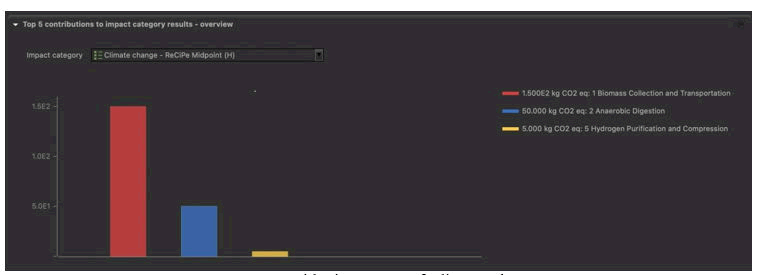
Figure 2: Midpoint impact of climate change.
The fossil depletion indicator shows a value of 20.43 kg oil equivalent per 1,000 kg of biomass, indicating a notable reliance on fossil fuels in the production process. This suggests that the process consumes a considerable amount of non-renewable energy resources. To reduce this impact, efforts should be focused on improving process efficiency and exploring alternative, renewable energy sources to decrease dependence on fossil fuels (Figure 3) [7].
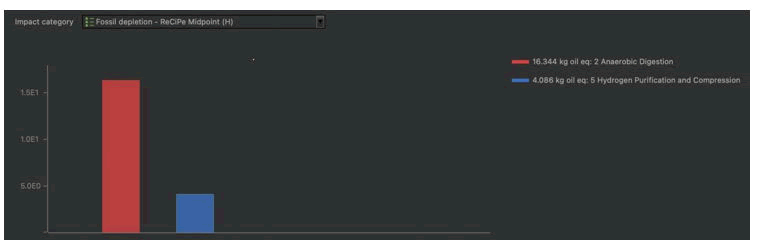
Figure 3: Midpoint impact of fossil depletion.
Marine eutrophication is relatively low at 0.092 kg nitrogen equivalent per 1,000 kg of biomass. This indicates that the process contributes minimally to nutrient enrichment in marine environments, which can lead to harmful algal blooms and dead zones. Despite the low impact, monitoring and managing nutrient discharge remains important to prevent potential environmental issues [8].
The formation of particulate matter is recorded at 0.32 kg PM10 equivalent per 1,000 kg of biomass. Particulate matter can significantly affect air quality and human health, potentially causing respiratory and cardiovascular problems. This impact highlights the need for improved combustion technologies, cleaner production methods, and effective air filtration systems to reduce particulate emissions.
Finally, the terrestrial acidification impact is 2.45 kg sulfur dioxide equivalent per 1,000 kg of biomass. This indicates a moderate level of acidification potential, which can lead to soil degradation and diminished biodiversity. Mitigating this impact involves reducing sulfur dioxide and nitrogen oxide emissions through cleaner technologies and implementing emission control measures [9].
In summary, the assessment identifies climate change and fossil depletion as major areas of concern, necessitating significant improvements. Marine eutrophication and particulate matter formation, while lower in magnitude, still require attention to minimize environmental harm. Terrestrial acidification also presents a relevant impact that should be addressed to enhance overall sustainability (Table 3).
| Impact category |
Impact indicator |
Unit |
Per 1000 kg biomass |
| Climate change |
Damage to ecosystems |
Species/yr |
1.63E-06 |
| Climate change |
Damage to human health |
DALY |
0.000287 |
| Fossil depletion |
Damage to terrestrial ecosystems |
$ |
3.375 |
| Particulate matter formation |
Damage to human health |
DALY |
8.32E-05 |
| Terrestrial acidification |
Damage to terrestrial ecosystems |
Species/yr |
1.42E-08 |
Table 3: Impact categories of manufactured green hydrogen in endpoint view.
The endpoint affects for the analyzed system offer a complete view of the ability long-term consequences on ecosystems, human health, and resource depletion. every effect class displays the broader implications of emissions and resource use.
The endpoint effect of weather change on ecosystems is quantified as 1.62565 × 10⁶ species. 12 months consistent with 1,000 kg of collected biomass. This figure indicates a fairly minimal but non-negligible ability for species loss or environment disruption due to the greenhouse gasoline emissions related to the biomass processing. In phrases of human health, the effect is represented as 0.000287 incapacity Adjusted Lifestyles Years (DALY). This metric indicates the potential discount in quality of existence because of fitness problems because of weather alternaterelated factors. at the same time as this fee is small, it underscores that even minor weather influences can contribute to lengthy-term health outcomes (Figure 4).
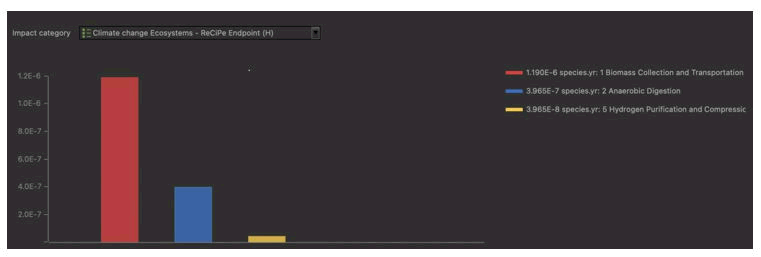
Figure 4: Endpoint effect of climate change.
The impact of fossil depletion is worth $3.375 per 1,000 kg of biomass. This financial cost displays the monetary cost related to the depletion of fossil sources used within the process. It highlights the economic burden of counting on nonrenewable assets and emphasizes the want for more sustainable alternatives to mitigate monetary affects (Figure 5).
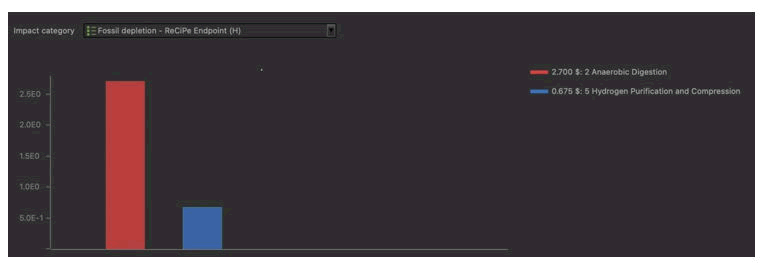
Figure 5: Endpoint impact of fossil depletion.
The endpoint effect of particulate count number formation is 0.0000832 DALY. This determine represents the capability fitness impact related to particulate be counted emissions, which include the accelerated threat of breathing and cardiovascular diseases. although the price is incredibly small, it demonstrates that particulate emissions can contribute to fitness degradation over the years.
The effect on ecosystems because of terrestrial acidification is measured as 1.42 × 10⁸ species. 12 months this result suggests a completely low capability for species loss or habitat harm from acidifying emissions. but, it nevertheless shows that acidification should have subtle but measurable consequences on terrestrial ecosystems.
In precis, the endpoint affects offer a detailed attitude at the environmental and health implications of the biomass processing. even as person effect values may appear modest, they collectively spotlight tremendous regions wherein upgrades ought to reduce damaging outcomes on ecosystems, human health, and resource depletion.
Interpretation
The effect values for inexperienced hydrogen production screen both the benefits and challenges related to this generation. at the same time as green hydrogen offers a cleanser opportunity to fossil fuels, the system nevertheless offers huge environmental and fitness affects. Addressing these issues involves enhancing energy performance, lowering emissions, transitioning to renewable energy, and improving waste management practices. through focusing on these regions, the sustainability of green hydrogen manufacturing may be substantially progressed, paving the way for its future as a key factor of a sustainable power system.
The LCA carried out for inexperienced hydrogen manufacturing offers numerous boundaries that have to be recounted. One primary quandary is the accuracy and completeness of the statistics used within the evaluation. statistics on particular production methods and technologies may be confined or now not fully consultant, doubtlessly main to uncertainties inside the effect exams and affecting the reliability of the conclusions. moreover, the LCA relies on various assumptions and simplifications to version the complex processes involved. these assumptions, consisting of those related to strength intake and emission factors, might not capture real-international variations and will cause both overestimation or underestimation of affects.
Temporal and geographical variability also pose challenges. Environmental impacts and resource use can vary significantly based on the location and time context of the production facility. Factors such as local energy mix, regulatory standards, and climate conditions can influence the results, limiting the generalizability of the findings to different regions or periods. The definition of system boundaries further impacts the comprehensiveness of the LCA. Excluding specific processes or emissions from the system boundary can result in a partial view of the environmental and health impacts, potentially leading to misleading conclusions.
The choice of impact assessment methodology, such as ReCiPe Midpoint (H) or Endpoint, also affects how impacts are quantified and interpreted. Different methodologies emphasize different aspects of impact, and comparisons with other LCAs using alternative methods are necessary to gain a holistic view. Future technological advancements in green hydrogen production and emissions control may alter the impact profile significantly, making it essential to update the LCA to reflect the latest developments periodically.
Lastly, interpreting LCA results involves subjective judgments about the significance of various impacts and potential improvement measures. This subjectivity can lead to varying conclusions and recommendations, depending on the perspectives and priorities of those accomplishing the evaluation. ordinary, at the same time as the LCA offers valuable insights, the ones barriers spotlight the need for nonprevent development in data excellent, device boundary definitions, and impact assessment techniques to beautify the accuracy and relevance of findings and help more knowledgeable desire-making for sustainable practices.
The life cycle assessment of green hydrogen manufacturing from biogas offers essential insights into this growing era's environmental and fitness affects. The assessment wellknown shows that weather alternate is the most extensive effect class, with superb contributions to ecosystems and human fitness. This underscores the importance of optimizing production processes to mitigate greenhouse gasoline emissions. Fossil depletion, while less distinguished, shows the economic value of resource use, suggesting that enhancements in renewable energy resources need to further beautify the sustainability of inexperienced hydrogen manufacturing.
Even though an awful lot less impactful than weather trade, particulate do not forget formation and terrestrial acidification still represent vital environmental worries. The presence of particulate remembers impacts human fitness, emphasizing the want for cleaner manufacturing technology and excellent sufficient emission controls. in addition, terrestrial acidification highlights the potential long-time period consequences on ecosystems, stressing the importance of addressing acidifying pollution.
Conclusion
In spite of these insights, the LCA is subject to obstacles, which consist of statistics accuracy, gadget boundary definitions, and methodological selections. The ones factors introduce uncertainties inside the results and recommend that ongoing refinement of statistics and methodologies is crucial. Moreover, the geographical and temporal variability in environmental influences need to be taken into consideration at the same time as applying those findings to one in every of a type context.
In end, whilst green hydrogen production from biogas holds promise for reducing carbon footprints and promoting sustainability, careful interest of its environmental affects is important. Addressing the diagnosed limitations and continuously improving manufacturing practices can decorate the general sustainability of inexperienced hydrogen, supporting its role in a cleanser and extra sustainable strength destiny.
References
- Nnabuife SG, Ugbeh-Johnson J, Okeke NE, Ogbonnaya C (2022) Present and projected developments in hydrogen production: A technological review. Carbon Capture Sci Technol. 3:100042.
[Crossref] [Google Scholar]
- Jaber O, Naterer GF, Dincer I (2010) Natural gas usage as a heat source for integrated SMR and thermochemical hydrogen production technologies. Int J Hydrogen Energy. 35:8569–8579.
[Crossref] [Google Scholar]
- Hajizadeh A, Mohamadi-Baghmolaei M, Cata Saady NM, Zendehboudi S (2022) Hydrogen production from biomass through integration of anaerobic digestion and biogas dry reforming. Appl Energy. 309:118442.
[Crossref] [Google Scholar]
- Khan I (2020) Waste to biogas through anaerobic digestion: Hydrogen production potential in the developing world–A case of Bangladesh. Int J Hydrogen Energy. 45:15951–15962.
[Crossref] [Google Scholar]
- Goger JC, Smith PW (2020) Modernization in tobacco agriculture: A case study from North Macedonia. Int J Agric Stud. 39(1):88-102.
- ILO (2016) Employment Trends in the Tobacco Industry. Geneva: ILO Publ. 2016.
- Jha P, Peto R (2014) Global Effects of smoking, of quitting, and of taxing tobacco. N Engl J Med. 370:60-68.
[Crossref] [Google Scholar] [PubMed]
- Kareska K (2023) SWOT analysis of the tobacco industry in the Republic of North Macedonia. Int J Adv Nat Sci Eng Res. 7(10).
[Google Scholar]
- Chaloupka FJ, Yurekli A, Fong GT (2012) Tobacco taxes as a tobacco control strategy. Tob Control. 21(2):172–180.
[Crossref] [Google Scholar]
Citation: Cruz MPD, Ardeta LG (2025) Assessing the Sustainability of Green Hydrogen Production from Biogas: A Cradle-to-
Gate LCA Study. Br J Res. 12:145.
Copyright: © 2025 Cruz MPD, et al. This is an open-access article distributed under the terms of the Creative Commons
Attribution License, which permits unrestricted use, distribution, and reproduction in any medium, provided the original author
and source are credited.