Research Article - (2026) Volume 16, Issue 1
Degradation of Plastic Using Microorganisms: A Review
Priya Tambe and
ND Totewad*
Department of Microbiology, BK Birla College, Kalyan, Thane, India
*Correspondence:
ND Totewad, Department of Microbiology, BK Birla College, Kalyan, Thane,
India,
Email:
Received: 07-Feb-2026, Manuscript No. EJEBAU-26-23870;
Editor assigned: 19-Feb-2026, Pre QC No. EJEBAU-26-23870 (PQ);
Reviewed: 05-Mar-2026, QC No. EJEBAU-26-23870;
Revised: 16-Apr-2026, Manuscript No. EJEBAU-26-23870 (R);
Published:
23-Apr-2026, DOI: 10.36648/2248-9215.16.1.40
Abstract
Getting rid of plastic waste has become a big issue in recent decades due to the unregulated use of plastics for a number of purposes in both rural and urban areas, such as packaging, transportation, manufacturing, and agriculture. The primary source of environmental degradation and a growing ecological danger is the gradual accumulation of plastic. One of the main issues facing the twenty-first century is the sustainable usage of synthetic polymers. Plastic bags take around a millennium to decompose efficiently. In addition to increasing the problem of garbage disposal and land filling, plastic releases dioxins and CO2 when it burns, which contributes to pollution and global warming. Plastic cannot be broken down in the environment using conventional processes because they produce dangerous byproducts. Biodegradation of plastic by bacterial activity is one way to reduce plastic pollution. The processes of plastic biodegradation, phases involved in plastic degradation, and variables influencing plastic biodegradation are covered in this study. We have also examined the possible bacteria that break down plastic that have been described by various researchers.
Keywords
Plastic; Degradation; PHB; Microorganisms; Polyethylene; Polystyrene
Introduction
Plastic is a synthetic material produced from fossil fuels and has many uses. Most of the economic and technological changes in the 19th and 20th centuries were made possible by plastic. According to research, the amount of waste caused by plastic use worldwide is approximately 57 million pieces per year [1]. By 2023, 400 million tonnes of plastic will be produced worldwide, according to the most recent projections from the International Union for Conservation of Nature (IUCN). [2]. The Indian plastic industry is expected to reach US$ 46.48 billion by 2024 [3]. The garbage dumped on land or in the marine environment amounts to millions of tons each year, accounting for 20-30% of municipal waste by volume. As of 2021, less than 10% of all plastic is recycled, 24% is burned to generate electricity, and the remaining 60% is not recycled [4]. It is estimated that around half of this is deposited in landfills worldwide, while the rest escapes collection altogether. This pollution comes from illegal industrial or household waste, and improper storage or transportation of waste. Other factors that contribute to the buildup of plastic in the environment include non-reusability, the usage of waste materials, and low microbiological and environmental activity [5]. Most petroleum-based plastics are highly biodegradable, which means that once they reach the environment, they will inevitably accumulate and have a negative impact on the environment. Long-term soil contamination and the discharge of hazardous chemicals are risks associated with disposing of plastic garbage in landfills [6]. Plastic pollution is known to affect many ecosystems, soil fertility, urban and environmental beauty, human and animal health. These comprise vital substances including monomers, oligomers, polymers, and additives; the latter are often categorized as pigments, plasticizers, heat stabilizers, and antioxidants [7].
Plastic absorbs toxic chemicals from the environment as well as the original product, making the plastic a container for toxins [8]. Microbial degradation of plastics containing additives and adsorbed chemicals also requires special attention [9]. Microplastics (MPs) contain additives with high concentrations of toxic chemicals that can bioaccumulate in foods. When plastics and MPs are released into the environment, degradation processes such as hydrolysis, thermo-oxidative degradation, biodegradation, electrochemical and photodegradation will occur [10]. Microbial biodegradation is considered as an important method to solve the pollution in plastics [11]. In addition to producing non-toxic compounds, it is the process by which organisms employ carbon monoxide in the form of organic matter for metabolism. It may also be converted into other beneficial products or used as energy for illness [12]. Biodegradation can reduce the degradation of material added to plastic and provide a better environment [13].
International Status
Farzana Javid et al., conducted a study on the assessment of plastic degradation by indigenous bacteria from waste disposal sites. Seven bacterial isolates were identified: E. coli, Corynebacterium spp., Micrococcus spp., Azotobacter spp., Pseudomonas spp., Staphylococcus spp., and Bacillus spp. Bacillus spp. demonstrated the greatest percentage reduction in black plastic weight at 47.46%, whereas Corynebacterium spp. and E. coli reached maximum reductions of 45.76% and 46.42% for pink plastic, respectively. Pseudomonas spp. and Micrococcus spp. exhibited significant reductions of 46.43% and 56.60% in white and Canteen Stores Department (CSD) biodegradable plastics, respectively. The soil of the waste disposal site contained a diverse array of microbial species, demonstrating their efficacy in mitigating environmental pollution through the degradation of hazardous plastic waste [2].
Szymanska et al., conducted a study on microbial allies in plastic degradation, identifying specific bacterial genera as universal plastic degraders across diverse environments. The microbiological degradation of polymers presents a viable strategy for addressing environmental plastic pollution. This study elucidated the diversity and structure of bacterial microbiomes from distinct environments (landfill soil, sewage sludge, and river water) characterized by specific physicochemical parameters. Additionally, it utilized environment-derived microbial cultures enriched with Microplastics (MPs) to investigate the degradation of polymers and identify culturable bacterial strains contributing to the plastisphere. In comparison to landfill soil and sewage sludge, river water has a substantially higher alpha diversity (~20%). The predominant phyla identified were Pseudomonadota, comprising 39.1% in sewage sludge and 23.7% in water, whereas Actinomycetota was the most prevalent in soil at 38.5%. A multistage experiment involving successive subcultures of environmental microbiomes exposed to Polypropylene (PP), Polyvinyl Chloride (PVC), Polycarbonate (PC), and Polylactic Acid (PLA) enabled the evaluation of microplastic degradation processes. Analysis of Carbonyl Indices (CIs) and FTIR spectra indicated significant structural alterations in the treated PVC-landfill soil, as well as in cultures enriched with PLA and PC sludge. The study identified 17 strains of plastic degraders from landfill soil, 14 from sewage sludge, and 6 from river water, utilizing enriched cultures as a source of microorganisms. Similar bacterial genera were isolated across environmental microbiomes, independent of the MPs substrate utilized in enriched cultures. This research underscores the intricate relationship between microbiome diversity and the biodegradation efficiency of plastics, demonstrating the potential for employing microbial communities in the management of plastic pollution [14].
Suwanna Kitpati Boontanon et al., conducted a study on the biodegradation of polypropylene plastics both in vitro and under natural conditions by Streptomyces sp. This strain demonstrated the capacity to degrade polypropylene when cultured in buffered HEPES medium, utilizing polypropylene plastics as carbon sources. Following a 90-day incubation period, the weight loss of PP plastics was observed to be 17.52% (p<0.05). The PP plastic's surface saw notable changes as compared to the control group. According to FTIR and GCMS tests, chemical changes in the plastic were detected on days 60 and 90. In a natural setting, this strain was used to break down polypropylene plastic in soil. The strain NBI0111 caused a notable decrease in weight. The biodegradation test group showed a significant decrease of 12.5%, while the control group only showed a decrease of 3.88% (p<0.05). Polypropylene plastic cup weight loss has been shown to be strongly positively correlated with the density of microbial communities recovered from plastic-contaminated areas. The capabilities of Streptomyces ardesiacus strain NBI0111 demonstrated significant potential for in situ plastic remediation, offering a sustainable solution to the challenge of plastic pollution [15].
Dilara Abbas Bukhari et al., conducted a study on characterization of plastic-degrading bacteria isolated from sewage wastewater. Six samples were incubated with plastic fragments in minimal salt media for a duration of 120 days. Following the incubation period, weight loss experiments indicated that samples SH5B and SH6B had degraded 25% of the plastic. After conducting chemical and molecular characterization, the strains were identified as Pseudomonas sp. SH5B and Pseudomonas aeruginosa SH6B. Fourier- Transform Infrared Spectroscopy (FTIR) analysis revealed peak shifts, which suggest bond stretching, bond bending, and the formation of new bonds. Gas Chromatography-Mass Spectrometry (GC–MS) analysis revealed several novel compounds generated during the plastic degradation process by these bacterial strains. The researchers isolated and characterized microorganisms capable of degrading plastic present in sewage effluent, and examined the enzymatic processes that convert resistant plastic polymers into microbial biomass and other environmentally suitable compounds [16].
Joseph Sebastin Raj et al., investigated the in vivo degradation of polyethylene terephthalate utilizing microbial isolates from a plastic-polluted environment, focusing on the breakdown of plastic waste by microorganisms. While some limited research on terrestrial wastes has been undertaken, the biodegradation processes within river ecosystems remain insufficiently explored. The health of aquatic life depends on the degradation of plastics in river ecosystems. The purpose of this study is to evaluate how well bacteria and fungi that were isolated from plastic waste in the Kaveri river (Srirangam-Ammamandabam) degrade PET. The primary purpose of this research was to investigate PET biodegradation. Factors such as hydrophobicity, vitality, and total protein content were analyzed to assess the ability of selected microbial strains to form biofilms on PET surfaces [17].
Renata Medina-Silva et al., conducted a study on the biofilms of Pseudomonas and Lysinibacillus marine strains on highdensity polyethylene. Marine isolates classified as Pseudomonas sp. and Lysinibacillus sp. demonstrated a reduction in biofilm formation on weathered HDPE, particularly during the initial 24 hours of incubation. The observed effect was mitigated by enhanced extracellular matrix production, which likely facilitated improved cell adhesion to surfaces that had been roughened through abiotic degradation. The adhesion strategies were compared to a reference strain of Pseudomonas aeruginosa, which exhibited significant biofilm formation on non-weathered HDPE and reduced extracellular matrix production during the initial 24 hours of incubation. Additionally, the results indicate that an increase in biofilm biomass is associated with alterations in HDPE structure, suggesting that these strains possess potential for the breakdown of plastic fragments through biodegradation [18].
National Status
Reeta Goel et al. conducted a study on the comparative efficacy of biodegradation of e-waste plastics by the monoculture Pseudomonas aeruginosa strain PE10 and a bacterial consortium under in situ conditions. Comparative biodegradation studies of e-waste plastics were conducted in situ using monoculture Pseudomonas aeruginosa strain PE10 and a bacterial consortium comprising Achromobacter insolitus strain PE2 (MF943156), Acinetobacter nosocomialis strain PE5 (MF943157), Pseudomonas lalkuanensis PE8 (CP043311), and Stenotrophomonas pavanii strain PE15 (MF943160). Analytical methods such as Scanning Electron Microscopy (SEM), Thermogravimetric-Derivative Thermogravimetry-Differential Thermal Analysis (TG-DTGDTA), and Fourier Transform Infrared Spectroscopy (FTIR) have been used to study the biological treatment of e-waste using these candidates in soil ecosystems. The findings suggest that the monoculture P. aeruginosa strain PE10 warrants further investigation for its potential in e-waste bio-recycling within agricultural soil ecosystems, which may contribute to the reduction of hazardous pollutants as well as the time, cost, and management associated with bioformulation [19].
Anand S. Nayak et al., investigated the efficient biodegradation of Polyethylene Terephthalate (PET) plastic by Gordonia sp. CN2K, which was isolated from a plasticcontaminated environment. The study concluded that the Gordonia genus is well-known for its adaptive mechanisms in degrading organic compounds that are typically resistant to degradation, including Polycyclic Aromatic Hydrocarbons (PAHs) and phthalates. The Gordonia sp. CN2K strain was developed using PET as the sole source of carbon and energy. Enzyme assays and metabolite supplementation studies demonstrate that the strain possesses the ability to mineralize and decompose the PET sheet. After a 45-day incubation period, 40.43 percent of the PET sheet can be degraded [20].
Sumer Singh Meena et al., conducted a study on the Low-Density Polyethylene (LDPE) biodegradation using a novel strain of Pseudomonas aeruginosa WD4, which was isolated from a plastic dumpsite. This strain was compared with Pseudomonas putida MTCC 2445 and Pseudomonas aeruginosa WD4 identified ongoing investigation. The current investigation showed that the following 100 days of incubation at 37°C, the bacterial isolate achieved a degradation of LDPE films by 9.2%, in contrast to Pseudomonas putida, which exhibited a weight reduction of 6.5%. Gas Chromatography–Mass Spectrometry (GC–MS) and Fourier Transform Infrared Spectroscopy (FTIR) were employed to analyze the final products of Low-Density Polyethylene (LDPE) degradation [21].
Kiran Bala et al., conducted an analysis of data from "Recent trends in microbial and enzymatic plastic degradation: A solution for plastic pollution predicaments." The study concluded that recent advancements in enzyme-mediated decomposition of both pure and commercial-grade polymers have been significant. It emphasized the efficiency of enzymes such as laccases, proteases, cutinases, PETase, and MHETase, along with the processes that govern degradation across various types of plastics. Bioinformatic tools, including multiomics, molecular docking, and enzyme mining, are effective for identifying unconventional biocatalysts and plasticdegrading microbes without reliance on culture-dependent methods. Additionally, methods to improve the catalytic efficiency of Plastic Degrading Enzymes (PDEs) through contemporary strategies including protein engineering, mutations, and chimeric fusion are discussed [22].
Materials and Methods
Polyethylene (PE)
Microorganisms cannot readily break down polyethylene, a durable polymer made up of lengthy chains of ethylene monomers. Nevertheless, Actinobacter species have been demonstrated to partially breakdown lower molecular weight PE oligomers (MW=600–800) upon dispersion, but high molecular weight PE is inimical to degradation. The mechanism by which PE biodegrades is extremely sluggish. To aid in this process, a broad range of fungus, including Aspergillus and Penicillium, and Actinomycetes, including Streptomyces strain, have been employed in studies. Polyethylene biodegradation is known to occur via two distinct processes: Oxidative biodegradation and hydrobiodegradation. These two techniques can be employed because of the two additives starch and pro-oxidant that are used in the manufacturing of biodegradable polyethylene. The continuous starch phase in starch-blended polyethylene renders the substance hydrophilic, enabling amylase enzymes to catalyze the reaction. The polyethylene with the hydrophilic matrix continues to hydro-biodegrade as a result of microbiology attacking and removing this part [23].
Polypropylene (PP)
Polypropylene is a thermoplastic frequently used in moulded plastic products, durable material, containers, plastic buckets, non-absorbent products, diapers, etc. It can be oxidized at high temperatures and degraded by exposure to UV rays from sunshine. Research has also been done on the potential for PP to be broken down by microbes [24]. Even though PP is a polyolefin and can degrade oxidatively like PE, it is immune to microbial assault since a methyl group has been added to the hydrogen ß position. According to research on the biodegradation of PP, several bacteria, including Vibrio and Pseudomonas, have been shown to biodegrade PP. Degradation has been shown to lower viscosity and produce new radicals, such as carbonyl and carboxyl groups [25].
Polystyrene (PS)
Polystyrene is a hydrophobic, high molecular weight synthetic polymer. It is recyclable but not biodegradable; nonetheless, PS film has been shown to biodegrade to a limited degree by an Actinomycetes strain. Lyklema et al., studied the adhesion of Arthrobacter species, Escherichia coli, Micrococcus and Pseudomonas to polystyrene films [26].
Polyvinyl Chloride (PVC)
PVC is an aggressive plastic with low moisture, absorption, resistant to many aspects like Abrasion and chemicals; there are many studies on the thermal and photodegradation of PVC [27].
Polyethylene Terephthalate (PET)
Polyethylene terephthalate has different properties. PET is a semi-crystalline polymer that is thermally and chemically stable. Sharon et al. investigated the decreasing effectiveness of PET transparency sheets by bacteria and Esterase enzyme and detected significant chemical Changes in the polymer chain by X-ray Photoelectron Spectroscopy (XPS) analysis. Microbial degradation affecting a crystal structure has also been observed using Scanning Electron Microscope (SEM) micrographs with the presence of bacteria in polyethylene terephthalate [28].
The Problem of Plastic Waste
The degradation of plastics in the environment requires a duration of 20 to 100 years, with complete degradation potentially extending to 500 years. The degradation of plastic bags and Styrofoam containers requires approximately 1000 years [29]. The environmental impacts include reduced soil fertility due to plastic waste contamination, water contamination from plastic constituents, disruption of soildecomposing organisms, and the accumulation of toxic compounds within food chains. Additionally, buried plastic waste obstructs waterways, resulting in flooding [30]. Plastic waste in terrestrial and aquatic environments significantly disrupts ecosystem balance. The situation will deteriorate when plastics are converted into invisible microplastics, which are more challenging to address. The significant volume of plastic waste, primarily consisting of plastic bags, has resulted in numerous respiratory and digestive system issues for thousands of species. Ingestion of plastic waste by animals, particularly aquatic species like fish, results in the bioaccumulation of toxic compounds present in the plastic. The consumption of fish contaminated with plastic may lead to various health issues in humans. By 2050, it is projected that up to 99% of seabirds will encounter plastic waste via ingestion [29]. Plastic waste on land can be degraded by sunlight into smaller fragments, resulting in soil and water pollution. Toxic fragments may play a role in food chains, posing a threat to various organisms. Polyethylene poses significant risks to various aquatic species, including aquatic mammals, sea turtles, and water birds, when ingested inadvertently [31].
The incineration of plastic waste is an inadequate method for addressing the issue of plastic accumulation. The process emits toxic gases into the environment, including dioxins, heavy metals, PCBs, and furans, which contribute to various respiratory diseases [32]. Additionally, the combustion of plastic generates CO2 emissions, which are associated with global warming. It will capture solar heat, resulting in an increase in the Earth's surface temperature [32,33]. The accumulation of plastic waste on land is resistant to degradation. It will inhibit water infiltration into the soil [31], resulting in soil infertility. The accumulation of plastic waste on land diminishes soil oxygen availability. The presence of plastic waste in soil diminishes the population of soildecomposing organisms, leading to a decline in the decomposition of both organic and inorganic materials. This reduction adversely impacts soil fertility and hinders plant growth.
General Waste Management for Plastics
Landfilling and incineration are two prevalent methods for managing plastic waste. Nonetheless, these two methods are regarded as processes for managing plastic waste, which have environmental side effects due to the release of various toxic gases into the atmosphere; additionally, landfilling necessitates significant space. Recycling efforts for plastics are generally inadequate in addressing the significant volume of plastic waste. The principles of reuse, reduction, and recycling are now extensively advocated as solutions to plastic waste issues. The method is suitable for postindustrial plastics; however, it is ineffective for plastics that have been utilized or consumed by individuals, as these are typically combined with various organic and inorganic waste materials. Chemical methods of plastic waste management systems are influenced by various factors and conditions associated with the polymer constituents of each type of plastic [34].
Degradation of Plastic
There are many physical, chemical and biological effects of plastic degradation. Physical factors include heat and electricity, chemical factors include acids and alkalis, and biological factors include bacteria, fungi and actinomycetes. According to the nature of pathogenic organisms, polymer degradation can be divided into thermal degradation, photooxidative degradation, mechanochemical degradation, catalytic degradation, ozone induced degradation and biological degradation. The technology used to degrade plastics in the environment today is not sufficient because it releases harmful substances. The most common type of waste thrown into landfills is plastic bags made of Low-Density Polyethylene (LDPE) (69.13%) [27]. LDPE is amorphous in nature (10-30 methyl (CH3) groups per 1000 carbon atoms) and contains butene, hexene and octene. Branched systems in LDPE chains are simpler and easier to attack because there are more carbon atoms on the surfaces. In LDPE materials, the physical arrangement of the polymer chain and the vinylidene content have been shown to be directly related to polymer oxidation, making it more biodegradable [27].
Biodegradation of Plastics
Plastic will have a negative impact on biodiversity loss, the life cycle of plastic and pollution can be directly changed. Microbial degradation is important in reducing the negative impacts of plastics. Due to the diversity and richness of microbial community composition, research on plastic biodegradation will be more comprehensive. Microbial enzyme degradation will depend on the degradation capacity of bacterial enzymes and the appropriate biodegradation efficiency [1]. Although the understanding of the environmental degradation of plastics is still limited, the fate and impact of plastics depend on the type and intensity of degradation [36]. Therefore, the study of the abilities of bacteria and the interaction between bacterial enzymes and plastics is very important for obtaining important biodegradable bacteria. There are not many in depth studies on biodegradation, which can be approached in different ways depending on the additives in plastics and the enzymes in bacteria. The aim of this article is to review the possibility of biodegradable plastics, with special attention to recent studies on the activities of various organisms and their enzymes in the biodegradation of synthetic materials. Attention is also drawn to the current microbial degradation problems and related processes. The mechanism of biodegradation and the degradation capacity and efficiency of microbial enzymes are also discussed and finally the importance of biodegradation pretreatment is discussed.
Biodegradation is defined as the capacity of a microorganism or microbial consortium to use the polymer as a sole source of carbon and energy. Biodegradation occurs in four main steps as follows (Figure 1) [3].
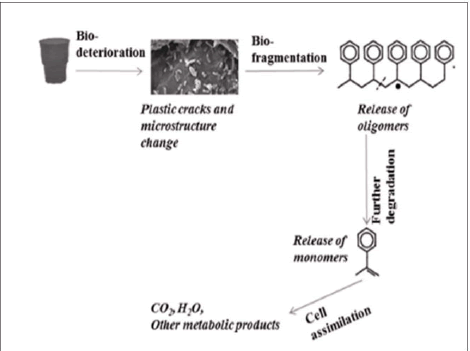
Figure 1: Overview of plastic degradation.
• Biodegradation: Microbial metabolic activity will cause cracks in the plastic and cause the physical body to deteriorate or change the microstructure of the matrix due to changes in pH due to the release of acids or biofilm formation.
• Biodegradation of long polymer chains: The action of enzymes produced by bacteria results in the release of oligomers.
• Oligomers are broken down into monomers: Oligomers enter the cell and the second digestate assimilates them to the carbon source, thus forming microbial biomass.
• Assimilation of oligomers and excretion of all oxidized metabolites such as H2O, CO2, N2 and CH4. F
Biodegradation with Help of Bacteria
Azotobacter sp., Bacillus megaterium, Ralstonia eutropha, Pseudomonas sp., Halomonas sp. [37], B. brevis [38], A. delafieldii [39], P. amyloticus [40], B. pumilus [41], B. petrii [42], P. aeruginosa [43], and Shewanella sp. [44] are among the isolated bacteria that have been found to be involved in the degradation of plastic. Moreover, a thermophilic bacteria called Bacillus brevis has been isolated from soil that degrades polylactic acid. According to studies, Arthrobacter sp., Acinetobacter baumannii, A. viscosus sp., Bacillus amyloliquefaciens, Pseudomonas sp., B. thuringiensis , Cereus, Pumilus, Mycoides, Staphylococcus cohnii, Pseudomonas fluorescens, Xylosus sp., Micrococcus luteus, Flavobacterium sp., M. lylae, Rahnella aquatills, Paenibacillus macerans, Ralstonia sp., Delftia acidovorans, R. erythropolis, P. aeruginosa [45], and B. brevies [46] have the ability to break down plastic. Bacillus sp., Diplococcus sp., Pseudomonas sp., Streptococcus sp., Staphylococcus sp., Micrococcus sp., and Moraxella sp. were the bacterial species that were identified from the polythene bag samples. Using the weight loss technique, the bacterial species B. cereus and S. globispora that were isolated from the sediments of Malaysian mangroves were able to thrive on medium infused with polypropylene, demonstrating potential degradation of 12% and 11%, respectively, in 40 days [47].
Bio-degradation Mechanism
Microbial enzymes cause polymer chains to break down into monomers and oligomers, which is how plastic biodegrades. Because they dissolve in water, monomers and oligomers are readily ingested and processed by microbial organisms. Polymer biodegradation techniques may be separated into two categories: enzymes and bacteria [48]. Bacteria adhering to the polyethylene's surface initiates the breakdown process. It has been discovered that a variety of wood-degrading fungi and actinomycetes, including Streptomyces badius, Streptomyces setonii, and Streptomyces viridosporus, create extracellular enzymes called lactase, oxidase, and peroxidase that cause polyethylene to break down [49]. Degradative enzymes are produced by a wide variety of organisms [50], with polymers being the primary organic molecules [48]. The capacity of Aspergillus and Pseudomonas isolated from plastic trash to break down low-density polyethylene was examined using SEM and FTIR analysis. The findings demonstrated that fungus-degraded polyethylene became brittle and developed surface holes. The weight of LDPE films was discovered because this suggests that bacteria adhere to low-quality polyethylene and use it as a carbon and energy source [51]. Furthermore, assessments of biodegradation that are qualitative and quantitative differ according to a number of factors, including the area technique, weight loss method, Fourier Transform Infrared Spectroscopy (FTIR), and Scanning Electron Microscopy (SEM) study. is determined by changes in artificial energy, CO2 emission percentage, substrate weight loss, and polymer chemical structure.
Factors Affecting Microbial Degradation of Plastics
The difference between microorganisms that degrade plastic depends on the conditions, temperature, pH and other factors. Soil moisture is necessary for pathogens to multiply [52]. Microbial hydrolytic partitioning increases as moisture content increases. Other factors affecting degradation are temperature and pH. As the temperature increases, the degradation capacity of enzymes decreases. Therefore, polymers with high melting points undergo less degradation. The rate of hydrolysis reaction is affected by changes in pH. Changes in pH can affect the growth of bacteria and the accuracy of degradation.
Results
The genera were recovered from different areas. Various bacteria like Schlegelella thermodepolymerans, Amycobacterium, Clostridium, Pseudomonas, Azotobacter, Bacillus megaterium, Alcaligenes eutropha, Halomonas etc. have been reported to degrade various plastics like PHB, PPL, PVC, PCL etc. Initial screening using a clear method with Coomassie blue staining showed positive bacteria isolated from different areas. A second screen narrowed down the isolates showing the largest deletions (P1A, P1B, and P1C). Characterization indicates that P1A belongs to the genus Staphylococcus, P1B to the genus Pseudomonas, and P1C to the genus Bacillus. The degradation studies showed mixed results. P1C (Bacillus) showed the highest degradation after 40 days, with 26.6 and 42.5 wt% for 10 and 40 μm polyethylene, respectively. In contrast, flora (P1D) and P1A (Staphylococcus spp.) showed the least degradation. This study demonstrates the ability of Bacillus spp. (P1C) to degrade polyethylene.
Key Findings
• P1C (Bacillus sp.) showed maximum degradation (26.6% and 42.5%) after 40 days.
• P1D (Consortium) and P1A (Staphylococcus sp.) demonstrated minimal degradation.
• Bacillus sp. (P1C) exhibited consistent degradation across different polythene thicknesses and time intervals.
This study contributes to the understanding of microorganisms capable of degrading polythene, paving the way for further research on biodegradation and environmental sustainability.
Discussion
In the natural environment, microorganisms play an essential role to the biodegradation of materials, including synthetic polymers. Extracellular and intracellular depolymerases are the two types of enzymes that actively participate in the biodegradation of polymers throughout the depolymerization process. By using carbon and energy, bacterial exonucleases break down complex polymers into even smaller chains, such as oligomers, dimers, and monomers, which may flow over the bacteria's semipermeable outer membrane. To assess the percentage of degradation, two kinds of polyethylene 40micron and 10 micron high-density and low-density polyethylene were utilized in this study. The degradation percentage increased with the size of the polyethylene; For example, minimum degradation was observed at 10 μm polyethylene, followed by maximum degradation at 70 μm polyethylene and moderate degradation at 40 μm polyethylene. According to the study, the types of polyethylene used are 10 micron and 40 microns, the highest degradation is shown by 40-micron polyethylene, while the least degradation is shown by 10-micron polyethylene. According to previous studies, high density polyethylene and low-density polyethylene are the most synthetic materials and cause serious problems by slowly degrading in the natural environment. According to a study conducted by All India Plastic Manufacturers Association (AIPM), it has recently decided not to produce and distribute plastic carry bags with a width below 40 microns to the public in order to prevent pollution. This is because the thickness of the bag determines how quickly the bag breaks into small pieces. The thinner the bag, the more likely it is to break and mix with soil and heavy soil fauna. In this study, a total of 15 bacterial species including Bacillus, Pseudomonas and Staphylococcus were recovered from different locations. The degradation of pretreated polyethylene was also studied by obtaining the degradation percentage; wherein the degradation of initial weight of pretreated polyethylene was followed at different times and the final weight of polyethylene was observed. Isolate P1C (Bacillus spp.) showed the highest degradation within 40 days, followed by P1A (Staphylococcus spp.), P1B (Pseudomonas spp.) and P1D (Consortium). The result from this study was compared with the previous study by Sowmya et al., who reported that Bacillus cereus can grow in small media containing polyethylene as carbon monoxide. This shows that it is possible to use polyethylene as carbon and to degrade polyethylene. According to Augusta et al., extracellular hydrolases released by the target organism into the polyester agar medium in suspension are responsible for the interstitial zone surrounding the colony. Vatsel and Anbuselvi, on the other hand, state that many species were discovered and identified as E. coli, Staphylococcus, Pseudomonas, Klebsiella, and Bacillus. Bacteria isolated from polyethylene waste area may interact with polyethylene and cause changes in its properties such as tensile strength, cracking, erosion, optical changes such as cracking. Microorganisms are clearly capable of degrading natural polymers to some extent. Biodegradation of plastic by isolated bacteria revealed open areas. It indicates that biodegradation has started. The lowest degradation was observed by Pseudomonas species, while the highest degradation was observed by Staphylococcus species. With weight loss, 11% degradation was showed by Pseudomonas, while 52% was showed by Staphylococcus. By analyzing these results, we can conclude that Bacillus has a higher ability to degrade polyethylene compared to other bacteria. The device promises to remove polyethylene from food.
Conclusion
Large amounts of plastic end up in landfills or in the oceans or are burned, causing serious damage to the environment and ecosystems. Burning plastic produces pollutants such as furans and dioxins, which are greenhouse gases that contribute to ozone depletion. Dioxins cause human health problems and soil pollution. Thus, studies on the biodegradation of plastic waste are being carried out in an attempt to reduce the negative environmental impacts of plastic and promote environmental safety. The review examines the bacteria that break down plastic into oligomers, monomers and ultimately carbon dioxide and water. Various bacteria such as Schlegelella thermodepolymerans, Amycobacterium, Clostridium, Pseudomonas, Azotobacter, Bacillus megaterium, Alcaligenes eutropha, Halomonas etc. have been shown to degrade various plastics such as PHB, PPL, PCL, PEA etc. To ensure the safety of water and life on earth, the use of biodegradable plastics must be increased in human lifestyles, and scientists want to find more types of microbial organisms that possess the capacity to biodegrade.
References
- Narancic T, O'Connor KE (2019) Plastic waste as a global challenge: Are biodegradable plastics the answer to the plastic waste problem? Microbiology Soc. 165:129-137.
[Crossref] [Google Scholar] [PubMed]
- Javid F, Ali G, Rehman A, Naeem R, Ali I, et al. (2024) Assessment of plastic degradation by indigenous bacteria from waste disposal sites. Emerg Contam. 10:100323.
[Google Scholar]
- Atanasova N, Stoitsova S, Paunova-Krasteva T, Kambourova M (2021) Plastic degradation by extremophilic bacteria. Int J Mol Sci. 22:5610.
[Crossref] [Google Scholar] [PubMed]
- Geyer R, Jambeck JR, Law KL (2017) Production, use, and fate of all plastics ever made. Sci Adv. 3:e1700782.
[Crossref] [Google Scholar] [PubMed]
- Zimmermann L, Bartosova Z, Braun K, Oehlmann J, VoÌlker C, et al. (2021) Plastic products leach chemicals that induce in vitrotoxicity under realistic use conditions. Environ Sci Technol. 55:11814-11823.
[Crossref] [Google Scholar] [PubMed]
- Schmaltz E, Melvin EC, Diana Z, Gunady EF, Rittschof D, et al. (2020) Plastic pollution solutions: Emerging technologies to prevent and collect marine plastic pollution. Environ Int. 144:106067.
[Crossref] [Google Scholar] [PubMed]
- Gao R, Sun C (2021) A marine bacterial community capable of degrading poly (ethylene terephthalate) and polyethylene. J Hazard Mater. 416:125928.
[Crossref] [Google Scholar] [PubMed]
- Li WC, Tse HF, Fok L (2016) Plastic waste in the marine environment: A review of sources, occurrence and effects. Sci Total Environ. 566:333-349.
[Crossref] [Google Scholar] [PubMed]
- Ajith N, Arumugam S, Parthasarathy S, Manupoori S, Janakiraman S (2020) Global distribution of microplastics and its impact on marine environment—a review. Environ Sci Pollut Res Int. 27:25970-25986.
[Crossref] [Google Scholar] [PubMed]
- Hu L, Fu J, Zheng P, Dai M, Zeng G, et al. (2022) Accumulation of microplastics in tadpoles from different functional zones in Hangzhou Great Bay Area, China: Relation to growth stage and feeding habits. J Hazard Mater. 424:127665.
[Crossref] [Google Scholar] [PubMed]
- Carmen S (2021) Microbial capability for the degradation of chemical additives present in petroleum-based plastic products: A review on current status and perspectives. J Hazard Mater. 402:123534.
[Crossref] [Google Scholar] [PubMed]
- Devi RS, Kannan VR, Natarajan K, Nivas D, Kannan K, et al. (2016) The role of microbes in plastic degradation. Environ Waste Manage. 341:341-370.
[Google Scholar]
- Wichatham K, Piyaviriyakul P, Boontanon N, Surinkul N, Visvanathan C, et al. (2024) Biodegradation of polypropylene plastics in vitro and natural condition by Streptomyces sp. isolated from plastic-contaminated sites. Environ Technol Innov. 35:103681.
[Google Scholar]
- Ali S, Rehman A, Hussain SZ, Bukhari DA (2023) Characterization of plastic degrading bacteria isolated from sewage wastewater. Saudi J Biol Sci. 30:103628.
[Crossref] [Google Scholar] [PubMed]
- Maheswaran B, Al-Ansari M, Al-Humaid L, Raj JS, Kim W, Karet al. (2023) In vivo degradation of polyethylene terephthalate using microbial isolates from plastic polluted environment. Chemosphere. 310:136757.
[Crossref] [Google Scholar] [PubMed]
- Oliveira MM, Proenca AM, Moreira-Silva E, de Castro AM, Dos Santos FM, et al. (2021) Biofilms of Pseudomonasand Lysinibacillus marine strains on high-density polyethylene. Microb Ecol. 81:833-846.
[Crossref] [Google Scholar] [PubMed]
- Debbarma P, Suyal DC, Kumar S, Zaidi MGH, Goel R (2024) Comparative e-waste plastics biodegradation efficacy of monoculture Pseudomonas aeruginosastrain PE10 and bacterial consortium under in situ condition. Front Microbiol. 14:1277186.
[Crossref] [Google Scholar] [PubMed]
- Swamy TC, Nagarathna SV, Reddy PV, Nayak AS (2024) Efficient biodegradation of Polyethylene terephthalate (PET) plastic by Gordonia sp. CN2K isolated from plastic contaminated environment. Ecotoxicol Environ Saf. 281:116635.
[Crossref] [Google Scholar] [PubMed]
- Shilpa Basak N, Meena SS (2024) Biodegradation of low-density polythene (LDPE) by a novel strain of Pseudomonas aeruginosa WD4 isolated from plastic dumpsite. Biodegradation. 35:641-655.
[Crossref] [Google Scholar] [PubMed]
- Dhali SL, Parida D, Kumar B, Bala K (2024) Recent trends in microbial and enzymatic plastic degradation: A solution for plastic pollution predicaments. Biotech Sustain Mater. 1:11.
[Google Scholar]
- Ghosh SK, Pal S, Ray S (2013) Study of microbes having potentiality for biodegradation of plastics. Environ Sci Pollut Res Int. 20:4339-4355.
[Crossref] [Google Scholar] [PubMed]
- Arutchelvi J, Sudhakar M, Arkatkar A, Doble M, Bhaduri S, et al. (2008) Biodegradation of polyethylene and polypropylene. Indian J Biotechnol. 7:9-22.
[Google Scholar]
- Tsuchii A, Suzuki T, Takahara Y (1977) Microbial degradation of styrene oligomer. Agric Biol Chem. 41:2417-2421.
[Google Scholar]
- KırbaÅ Z, Keskin NEVIN, Güner A (1999) Biodegradation of polyvinylchloride (PVC) by white rot fungi. Bull Environ Contam Toxicol 63:335-342.
[Crossref] [Google Scholar] [PubMed]
- Sharon C, Sharon M (2012) Studies on biodegradation of polyethylene terephthalate: A synthetic polymer. J Microbiol Biotech Res. 2:248-257.
[Google Scholar]
- Mohanan N, Montazer Z, Sharma PK, Levin DB (2020) Microbial and enzymatic degradation of synthetic plastics. Front Microbiol. 11:580709.
[Crossref] [Google Scholar] [PubMed]
- Asiandu AP, Wahyudi A, Sari SW (2021) A review: Plastics waste biodegradation using plastics-degrading bacteria. J Environ Treat Tech. 9:148-157.
[Google Scholar]
- Purwaningrum P (2016) Upaya mengurangi timbulan sampah plastik di lingkungan. Indones J Urban Environ Technol. 8:141-147.
[Google Scholar]
- Kale SK, Deshmukh AG, Dudhare MS, Patil VB (2015) Microbial degradation of plastic: A review. J Biochem Technol. 6:952-961.
[Google Scholar]
- Alabi OA, Ologbonjaye KI, Awosolu O, Alalade OE (2019) Public and environmental health effects of plastic wastes disposal: A review. J Toxicol Risk Assess. 5:1-13.
- Chandegara VK, Cholera SP, Nandasana JN, Kumpavat MT, Patel KC (2015) Plastic packaging waste impact on climate change and its mitigation. Water management and climate smart agriculture. Adaptation of climatic resilient Water Manag Agric. 3:404-415.
- Drzyzga O, Prieto A (2019) Plastic waste management, a matter for the community. Microb Biotechnol. 12:66.
[Crossref] [Google Scholar] [PubMed]
- Roohi, Bano K, Kuddus MR, Zaheer M, Zia QF, et al. (2017) Microbial enzymatic degradation of biodegradable plastics. Curr Pharm Biotechnol. 18:429-440.
[Crossref] [Google Scholar] [PubMed]
- Zhang K, Hamidian AH, TubiÄ A, Zhang Y, Fang JK, et al. (2021) Understanding plastic degradation and microplastic formation in the environment: A review. Environ Pollut. 274:116554.
[Crossref] [Google Scholar] [PubMed]
- Chee JY, Yoga SS, Lau NS, Ling SC, Abed RM, et al. (2010) Bacterially produced polyhydroxyalkanoate (PHA): Converting renewable resources into bioplastics. Current research, technology and education topics in Applied Microbiology and Microbial Biotechnology. 2:1395-1404.
[Google Scholar]
- Tomita K, Kuroki Y, Nagai K (1999) Isolation of thermophiles degrading poly (L-lactic acid). J Biosci Bioeng. 87:752-755.
[Crossref] [Google Scholar] [PubMed]
- Uchida H, Nakajima-Kambe T, Shigeno-Akutsu Y, Nomura N, Tokiwa Y, et al. (2000) Properties of a bacterium which degrades solid poly (tetramethylene succinate)-co-adipate, a biodegradable plastic. FEMS Microbiol Lett. 189:25-29.
[Crossref] [Google Scholar] [PubMed]
- Teeraphatpornchai T, Nakajima-Kambe T, Shigeno-Akutsu Y, Nakayama M, Nomura N, et al. (2003) Isolation and characterization of a bacterium that degrades various polyester-based biodegradable plastics. Biotechnol Lett. 25:23-28.
[Google Scholar]
- Hayase N, Yano H, Kudoh E, Tsutsumi C, Ushio K, et al. (2004) Isolation and characterization of poly (butylene succinate-co-butylene adipate)-degrading microorganism. J Biosci Bioeng. 97:131-133.
[Crossref] [Google Scholar] [PubMed]
- Kim MN, Park ST (2010) Degradation of poly (Lâlactide) by a mesophilic bacterium. J Appl Polym Sci. 117:67-74.
[Google Scholar]
- Lee SH, Kim MN (2010) Isolation of bacteria degrading poly (butylene succinate-co-butylene adipate) and their lip A gene. Int Biodeterior Biodegradation. 64:184-190.
[Google Scholar]
- Sekiguchi T, Sato T, Enoki M, Kanehiro H, Uematsu K, et al. (2011) Isolation and characterization of biodegradable plastic degrading bacteria from deep-sea environments. JAMSTEC Report Res Devel. 11:33-41.
[Google Scholar]
- Koutny M, Amato P, Muchova M, Ruzicka J, Delort AM (2009) Soil bacterial strains able to grow on the surface of oxidized polyethylene film containing prooxidant additives. Int Biodeterior Biodegradation. 63:354-357.
[Google Scholar]
- Watanabe T, Ohtake Y, Asabe H, Murakami N, Furukawa M (2009) Biodegradability and degrading microbes of lowâdensity polyethylene. J Appl Polym Sci. 111:551-559.
[Google Scholar]
- Auta SH, Emenike CU, Fauziah SH (2017) Screening for polypropylene degradation potential of bacteria isolated from mangrove ecosystems in Peninsular Malaysia. Int J Biosci Biochem Bioinform. 7:245-251. [Crossref]
[Google Scholar]
- Saritha B, Sindgi SA, Remadevi OK (2021) Plastic degrading microbes: A review. Microbio Res J Int. 31:22-28.
[Google Scholar]
- Thamizhmarai T, Kannahi M (2018) Biodegradation of low density polyethylene by Aspergillus sp. and Pseudomonas sp. isolated from plastic dumped siteâA SEM analysis. Int J Pharm Sci Rev Res. 50:182-187.
- Gnanavel G, Valli VPMJ, Thirumarimurugan M (2012) A review of biodegradation of plastics waste. Crit Rev Biotechnol. 1:670-673.
[Crossref] [Google Scholar] [PubMed]
- Kittur S, Patil N, Kammar S, Priya VS, Sastry DN (2013) Bio-degradation of 40 micron plastic bags by Aspergillus niger and optimization of pre-treatment methods. Environ Conserv J. 14:61-68.
[Google Scholar]
- Tokiwa Y, Calabia BP, Ugwu CU, Aiba S (2009) Biodegradability of plastics. Int J Mol Sci. 10:3722-3742.
[Crossref] [Google Scholar] [PubMed]
- Wilcox C, van Sebille E, Hardesty BD (2015) Threat of plastic pollution to seabirds is global, pervasive, and increasing. Proc Natl Acad Sci USA. 112:11899-11904.
[Crossref] [Google Scholar] [PubMed]
- Bulkeley H, Askins K (2009) Waste interfaces: Biodegradable waste, municipal policy and everyday practice. Geogr J. 175: 251-260.
[Google Scholar]
Citation: Tambe P, Totewad ND (2026) Degradation of Plastic Using Microorganisms-A Review. Eur Exp Bio. 16:40.
Copyright: © 2026 Tambe P, et al. This is an open-access article distributed under the terms of the Creative Commons Attribution License, which permits unrestricted use, distribution, and reproduction in any medium, provided the original author and source are credited.